
Last updated November 21, 2026
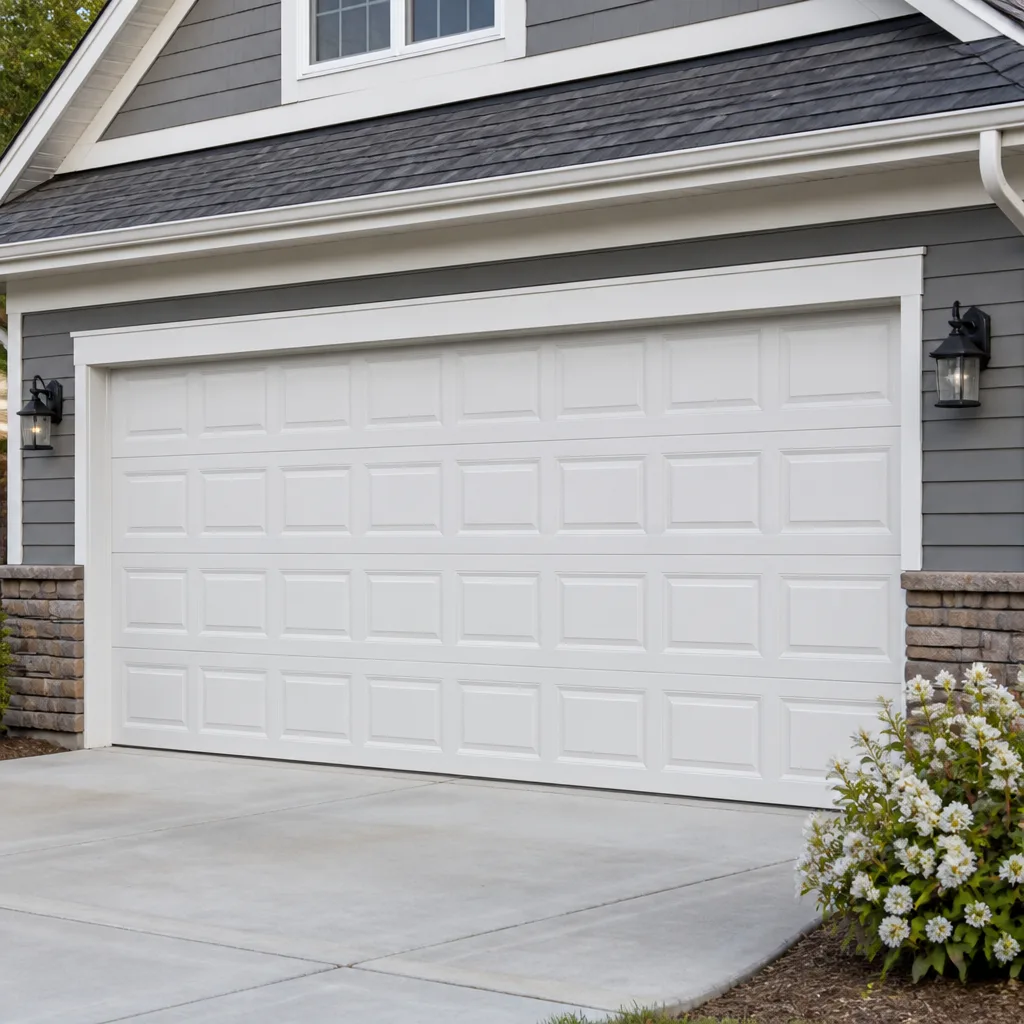 Raised-panel steel
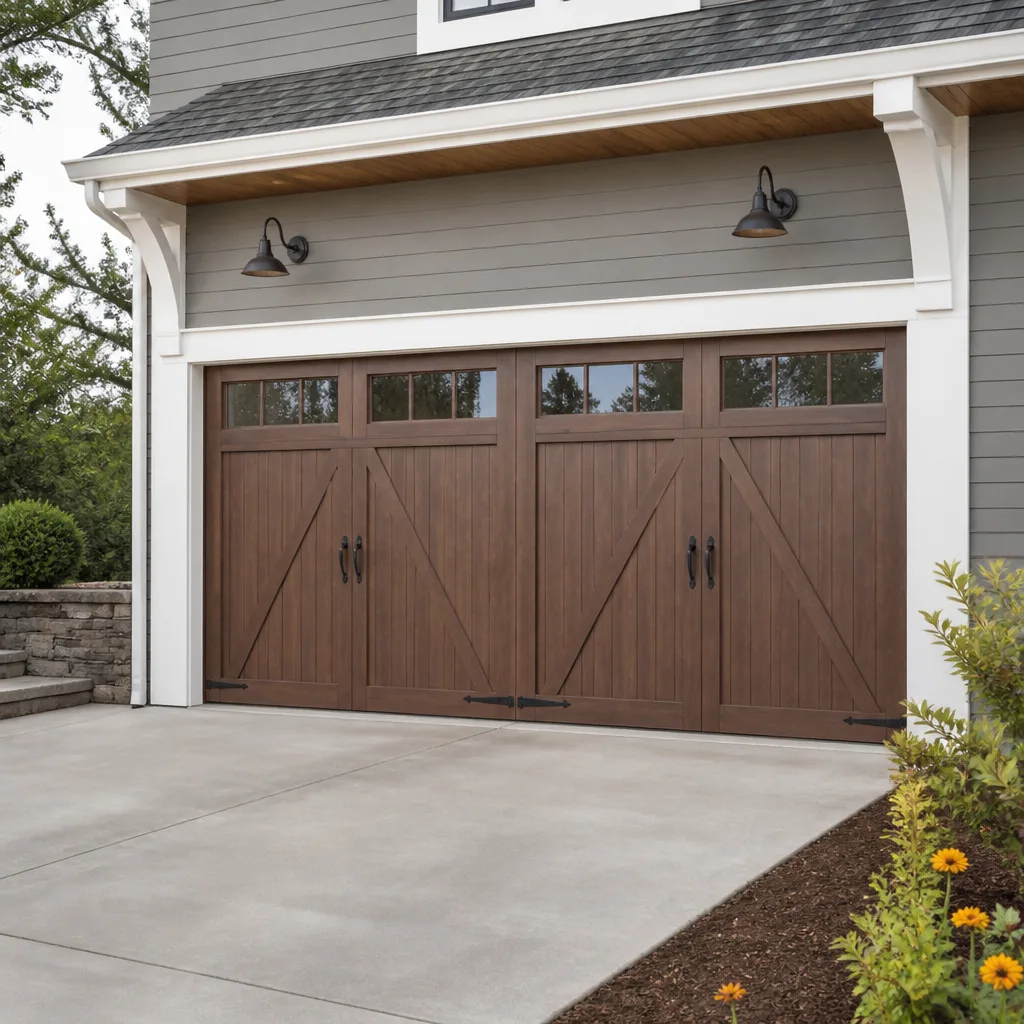 Carriage house
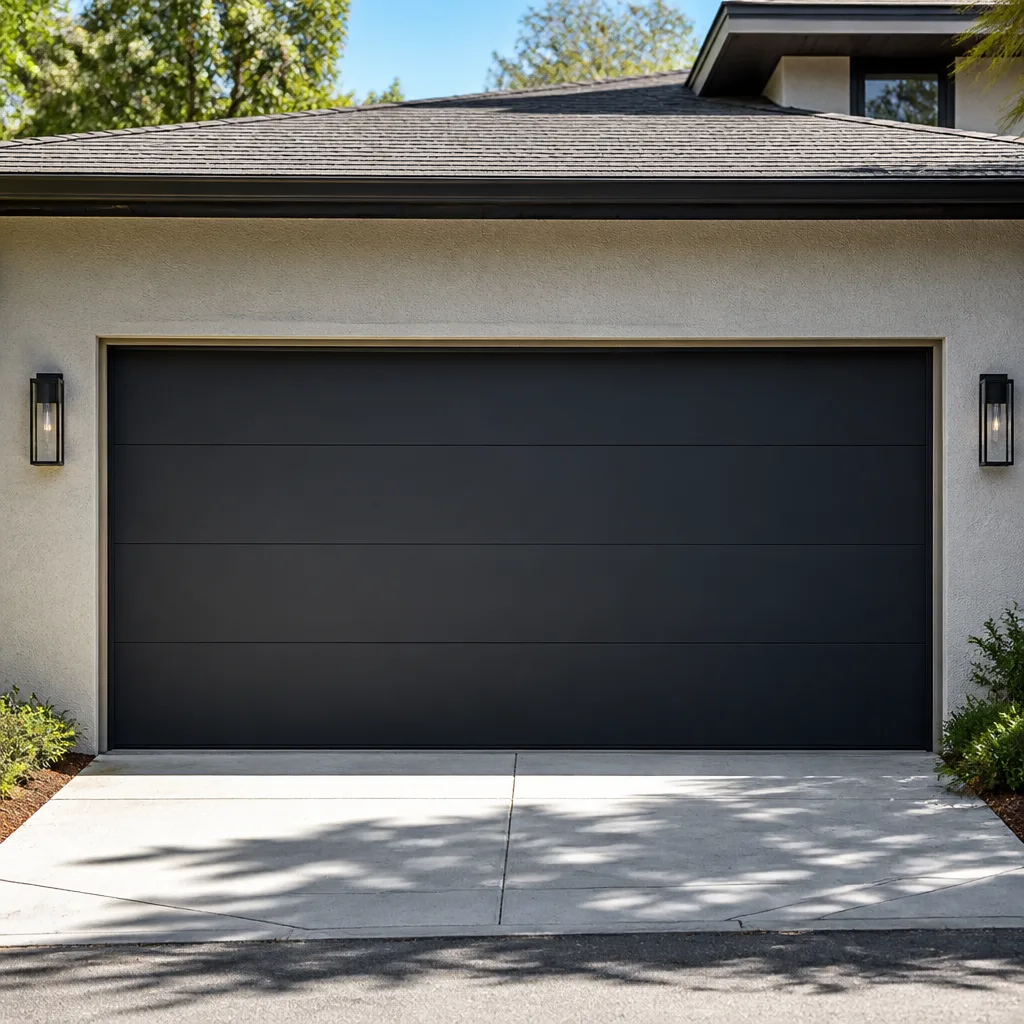 Modern flush
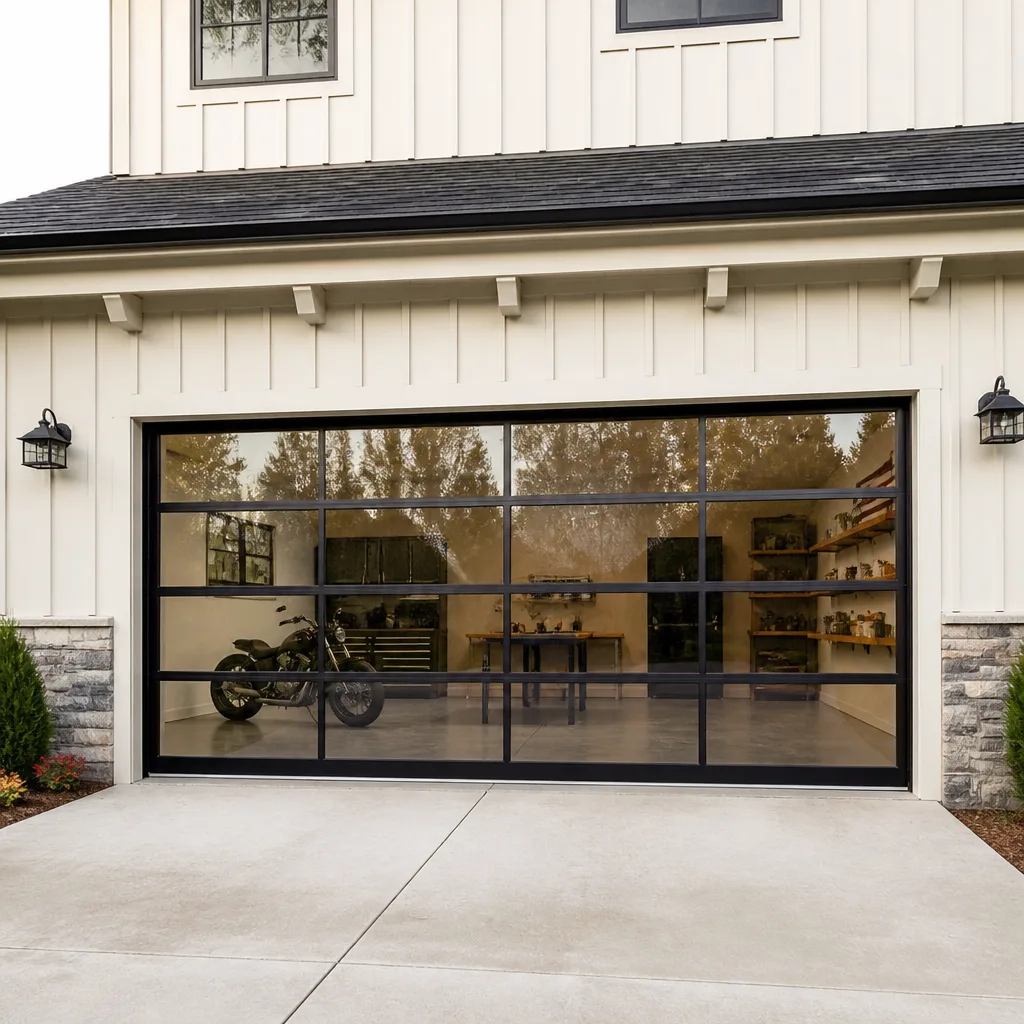 Full-view glass
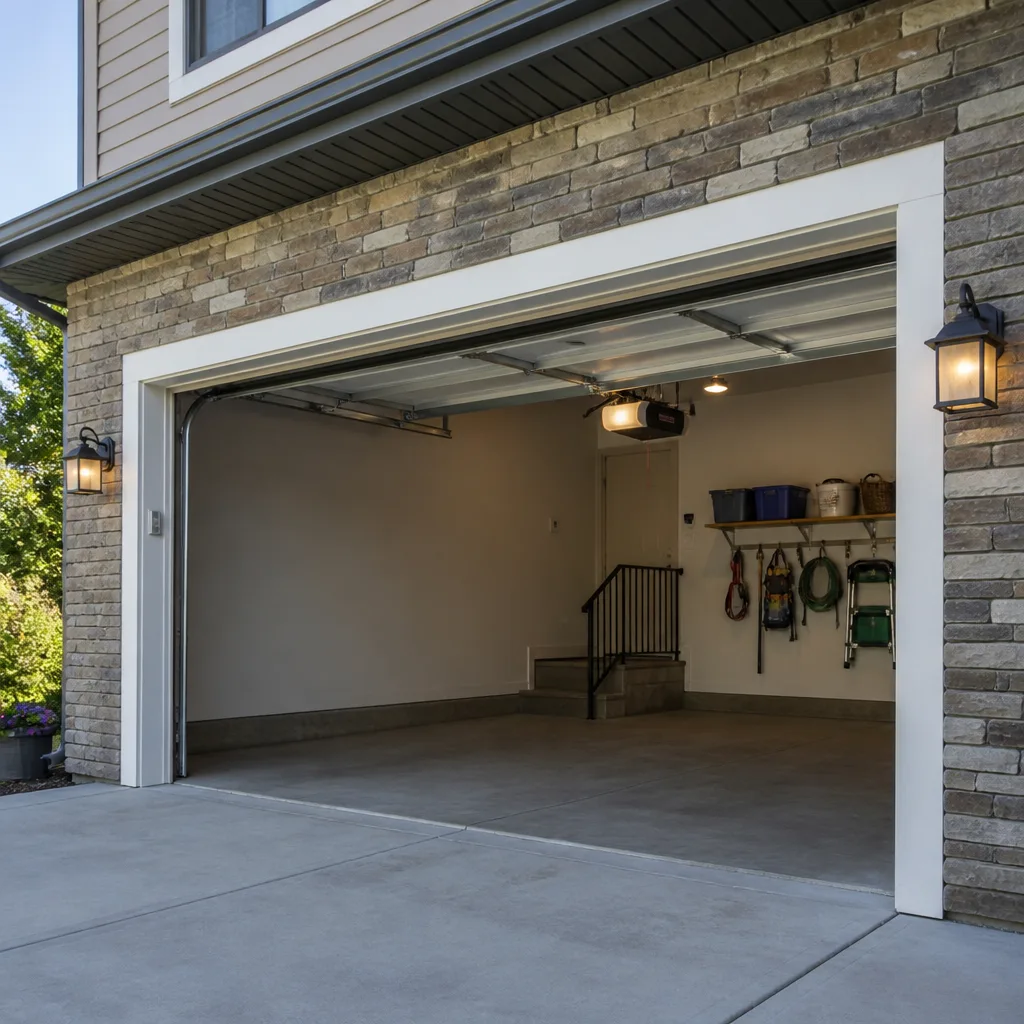 LiftMaster openers
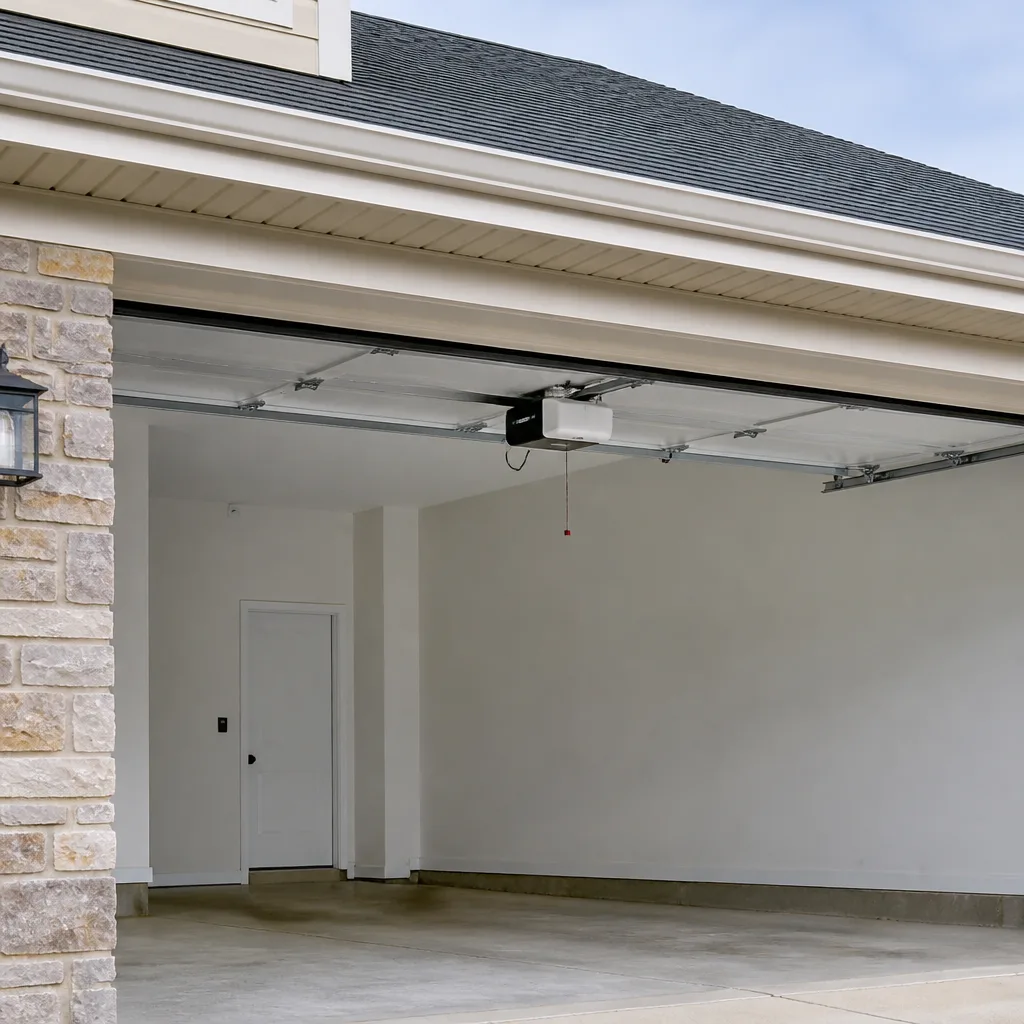 Chamberlain openers
Full 25-point door and opener safety check with every visit - springs, cables, rollers, tracks, and your LiftMaster or Chamberlain opener included
You get a price before we start. It does not change when the pro arrives.
Get your free estimateGarage Door Permits, Codes & Inspections in East Village, NY: What You Need to Know
A contractor who tells you permits are never required for garage door work in New York City is either uninformed or hoping you won’t ask. The truth is messier and more useful: most garage door replacements in East Village don’t need a Department of Buildings permit, but the exceptions are specific, and misreading them can leave you with a stop-work order on a project that’s already half-built. The answer depends on three things – whether structural framing is involved, how the building is classified, and whether you’re altering the opening itself. This guide draws that line clearly. We’ll walk through when a permit is actually required, how landmark status and co-op alteration agreements add layers on top of city code, what “altering the opening” means in legal terms, and how to check that whoever does the work pulls the right paperwork.
Quick Answer
In most East Village cases, swapping a garage door for a like-sized unit of the same type is treated as ordinary repair and doesn’t require a DOB permit. A permit is generally required when the work changes the size of the opening, involves structural framing, alters the building envelope, or touches the structural system of a building that falls under the city’s facade and structural rules. Co-op and condo buildings also add their own alteration agreement on top of whatever the city requires.
Styles & brands we work with
- Raised-panel steel
- Carriage house
- Modern flush
- Full-view glass
- LiftMaster openers
- Chamberlain openers
Table of Contents
- When does NYC require a permit for garage door work?
- What “altering the opening” means and why it changes everything
- Landmark status and historic districts in Lower Manhattan
- Co-op and condo alteration agreements
- What does a garage door inspection actually check?
- How to verify your contractor is pulling permits when required
- What permits and inspections cost in East Village
- Repair vs. replace: which path needs paperwork?
When Does NYC Require a Permit for Garage Door Work?
New York City’s building code draws a line between ordinary repair and alteration, and garage door work can land on either side of it. Ordinary repair – replacing a worn door with one of the same size and type, fixing a broken spring, swapping a failed opener – generally does not require a DOB permit. Alteration – changing the dimensions of the opening, cutting new structural framing, or modifying the building envelope – generally does. The difference matters because a permit filed for the wrong category is worse than no permit at all; it’s a paper trail that can trigger a violation later.
Here’s the practical breakdown for East Village homeowners:
- No permit typically needed: same-size door replacement, spring repair, cable replacement, opener repair or replacement, track realignment, panel replacement on an existing frame.
- Permit typically needed: enlarging or reducing the opening, converting a window or wall to a garage opening, adding a new opening, work that involves structural framing or load-bearing members, changes to the building’s exterior envelope on certain building types.
- Case-by-case: commercial roll-up doors on mixed-use buildings, work on a building subject to facade or structural filing requirements, and any alteration to a building in a historic district.
East Village has an unusual mix of building types – walk-ups, converted lofts, mixed-use storefront buildings, and a handful of buildings with ground-level parking – and each type can trigger different filing requirements. When in doubt, the safest call is to check with the city’s building department before work starts, since retroactively filing a permit for work already completed is far more complicated than filing first. Our team handles the physical work and tells you plainly when the job crosses from repair into alteration territory.
What “Altering the Opening” Means and Why It Changes Everything
“Altering the opening” is the phrase that flips a garage door job from ordinary repair into a permitted alteration, and it’s where most confusion starts. Legally, altering the opening means changing the dimensions, location, or structural configuration of the framed opening the door sits in – not just putting a nicer door into the same hole. If the door width, height, or position stays the same, you’re replacing. If any of those changes, you’re altering.
Here’s a numbered way to think about it:
- Same door, same opening. New door of identical size and type in the existing frame. This is replacement, not alteration, and typically doesn’t require a permit.
- Different door, same opening. Upgrading from a standard sectional to a heavier insulated door, or switching materials, as long as the dimensions and framing don’t change. Still generally replacement.
- New dimensions. Making the opening wider or taller, or making it shorter. This is alteration and generally requires a permit.
- New opening. Cutting a new opening into a wall that didn’t previously have one. This is alteration and requires a permit; it also involves structural work that has to be reviewed.
- Structural framing changes. Modifying headers, jambs, or load-bearing members. This is alteration and requires a permit, engineering review, and inspection.
Why does the distinction matter so much? Because a job filed as an alteration carries inspection requirements, and an inspection is where any other code issues surface. If a door was installed as an alteration without a permit and later someone reports the unpermitted work, the city can require that the work be opened up, reviewed, or removed. This is why we tell East Village homeowners to be honest about the scope before a job starts. A repair that stays a repair is clean and simple. An alteration filed as a repair is the start of a headache.
Landmark Status and Historic Districts in Lower Manhattan
A building can be perfectly compliant with the building code and still run into a separate wall of approval requirements if it sits inside a historic district or is individually landmarked. Lower Manhattan has a dense concentration of historic districts, and while East Village is better known for its tenement-era architecture than for attached garages, the district rules still apply to any building that happens to fall within the boundaries and has garage door work done on a street-facing facade.
Here’s how the layers stack:
- The Landmarks Preservation Commission (LPC) reviews work that affects the exterior of a designated building or a building within a historic district. Facade changes – including a new garage door that changes the appearance of the building from the street – can fall within LPC review.
- Like-for-like replacement on an existing garage door is usually the simplest path. A new door that matches the original in material, style, color, and configuration is far less likely to trigger a long review than a substantially different replacement.
- Design changes – swapping a wood door for steel, changing panel style, changing color, adding glass – may require LPC approval before work begins.
- Structural changes and new openings in a designated district carry the heaviest review burden and typically need both LPC approval and a DOB permit.
Timing matters. A garage door that matches the building’s original character can often be approved without drama. A door that introduces a modern look into a historic streetscape can take months to clear. We advise East Village homeowners to verify landmark status early, before ordering a door, because a door already built to the wrong spec is a door you can’t return easily. If the building turns out to be in a historic district, the design conversation has to happen first and the installation second.
Co-op and Condo Alteration Agreements
New York City buildings add a layer that has nothing to do with city code and everything to do with private contracts: the co-op or condo alteration agreement. In East Village, where a good share of residential buildings are co-ops or condos, this agreement is often stricter than the city’s permit requirement and can rule out work the city would happily allow.
What these agreements usually cover:
- Approved contractor lists. Many boards require that work be done by a contractor that has provided proof of insurance and licensing to the building. You may not be allowed to bring in a random contractor even if they’re great.
- Proof of insurance. A certificate naming the building as additional insured is standard. Without it, the building can refuse access.
- Work hours and access rules. Board rules often restrict when crews can work and how material can be moved through the building. This is separate from any contractor schedule.
- Alteration fees and deposits. Some buildings charge a fee to review the alteration agreement, and many collect a refundable deposit against damage to common areas.
- Prior written approval. Most agreements require board approval before work begins, with plans submitted in advance for anything beyond a straightforward repair.
If the garage is a shared building element – a parking area for multiple units, a ground-floor garage serving the whole building – the board is likely to be involved regardless of whether the city requires a permit. That can mean weeks of lead time before a door is even ordered. We recommend starting the board conversation the same week you start thinking about the project, not the week after. Our team can provide the insurance documentation and scope-of-work detail a board typically asks for.
What Does a Garage Door Inspection Actually Check?
An inspection for a garage door installation that required a permit focuses on whether the work matches what was filed and whether it’s safe. Inspectors look at structural attachment, the framing around the opening, clearances, and the mechanical components that affect how the door operates. A replacement that didn’t require a permit doesn’t get a city inspection, but that’s exactly why responsible installers do their own safety check on every job, permitted or not.
Here’s what a thorough inspection or post-installation check covers:
- Attachment and anchoring. The door and its hardware are anchored to sound framing, and the fasteners are appropriate for the material.
- Balance and spring tension. The door operates smoothly by hand, holds position at mid-travel, and the springs are matched to the door weight. Spring work is genuinely dangerous – a wound torsion spring stores enormous energy, and releasing it without the right tools and training can cause serious injury. This is not a component to DIY.
- Track and alignment. The tracks are plumb, level, and free of bends, and the door runs without binding.
- Safety features. The opener’s safety reversal system and photo-eye sensors function correctly. A door that closes on an obstruction without reversing is a serious hazard, particularly in a household with children or pets.
- Clearances. There’s proper clearance around the door through its full travel, and no obstruction in the path.
- Weather sealing. The bottom seal and perimeter seals keep out drafts, water, and pests. This matters in East Village’s walk-ups and converted spaces where a garage area may border living space.
For permitted work, the city inspector checks that the scope of work matches the filed plans and that the completed installation meets the applicable structural and safety requirements. Faults found at inspection typically have to be corrected and re-inspected, which is why we’d rather catch them before the inspector does. Our technicians have up to 12 years of experience, and we work on LiftMaster, Chamberlain, Genie, Clopay, Amarr, Wayne Dalton, Craftsman, and Raynor equipment – so the diagnosis is grounded in the system that’s already on your door.
How to Verify Your Contractor Is Pulling Permits When Required
The single most useful question to ask a garage door contractor is whether permits are required for your specific job, and how they’ll handle it if they are. A good contractor will tell you plainly, without hedging. Anyone who brushes the question aside with “you don’t need a permit for that” without asking about the scope of work is guessing – and guessing on permits is how homeowners end up with unpermitted work that surfaces years later when they try to sell.
Here’s a numbered process to check the paperwork on a job that needs a permit:
- Ask what classification the job falls under. If the answer is “alteration,” ask who is filing and who is pulling the permit. If the answer is “repair,” ask for the scope in writing so you can see why the job doesn’t require a filing.
- Ask for the permit number once the filing is approved. Every filed permit gets a number. If the contractor can’t produce one, the work isn’t permitted, regardless of what was promised.
- Confirm the license and insurance of the professional doing the work. The relationship is between you and the licensed professional performing the work, and the local pro is licensed and insured as their state requires. Ask for proof before the job starts.
- Check the inspection sign-off. On permitted work, a final inspection with signed-off results closes the loop. Skipping it leaves the job open.
- Keep copies. Permits, inspection results, the written estimate, and the certificate of insurance should all be in one folder. If you ever sell, that folder prevents a lot of pain.
Some contractors skip permits to save time or because the homeowner asks them to keep the cost down. That shortcut lands on the homeowner, not the contractor. Unpermitted alteration work can create problems at resale, expose the owner to violations, and make future work harder to file. We won’t cut that corner, and we’ll tell you when a job needs a permit even if the answer means a longer timeline. That honesty is worth more than the two weeks it saves.
What Permits and Inspections Cost in East Village
Permit fees are set by the city and vary with the scope of the filing and the value of the work, not by contractor. The main cost of paperwork on a garage door job isn’t the fee – it’s the time and the coordination. A permitted alteration has to be filed, reviewed, scheduled for inspection, and signed off, and that whole process can extend a job well beyond the installation itself. These are typical ranges for planning purposes; the written estimate from the professional sets the final price.
- Standard door replacement (no permit): typically $0 in filing cost because no filing is required. Installation pricing is quoted separately and depends on door size, material, and opener.
- Permit filing for a straightforward alteration: the city fee typically runs in the low hundreds of dollars, and a licensed expeditor or filing representative may add a separate fee. The written estimate gives the final number.
- Permit filing that requires engineering or plan review: typically higher, because it involves a licensed engineer and a longer review cycle.
- Landmarks review (if applicable): the review itself typically carries no filing fee, but the timeline and design consultation can add meaningful cost.
- Inspection re-checks: typically no additional fee unless the job has to be refiled. Corrections, of course, carry their own cost.
We recommend asking for one written estimate that covers the work and, separately, one written summary of any permits, filings, or board approvals required. Keeping those two documents apart makes it clear what’s being paid to the city or the building and what’s being paid for the work. The price is quoted and agreed before any work starts, so there’s no invoice surprise at the end.
Repair vs. Replace: Which Path Needs Paperwork?
Repair almost never needs a permit. Replacement of a door in the same opening usually doesn’t either. Alteration frequently does. That’s the short version, and it’s the version we lead with when a homeowner calls and asks what the paperwork picture looks like. From there, the decision comes down to whether repair can extend the life of the door or whether replacement makes more sense financially, and that’s a conversation we have honestly rather than pushing for the bigger job.
How the decision usually breaks down:
- Repair makes sense when the door is structurally sound, the panels are intact, and the problem is mechanical – a broken spring, a failed opener, a bent track, worn rollers. Repair is faster and, on unpermitted work, paperwork-free.
- Replacement makes sense when the door is damaged beyond cost-effective repair, the insulation has failed, the appearance has deteriorated past cosmetic fixes, or repairs are stacking up on a door that’s near the end of its service life.
- Alteration is a different conversation. If the repair or replacement discussion turns into “we should widen the opening” or “we should convert a window to a garage door,” that’s when the permit question has to be asked before anything is ordered.
If the honest answer is that you need a new door, we’ll tell you so, and we’ll quote both a repair path and a replacement path so you can compare. If a repair will get another five or ten years out of the door, we’ll tell you that too. Our garage door installation work sits alongside our repair work in the same service menu precisely because the right answer changes by door.
Common Mistakes to Avoid
- Assuming permits are never required. Most garage door replacements in East Village don’t need a permit, but altering the opening does. Ask the question for your specific job, not for garage door work in general.
- Assuming a permit is always required. The opposite error strands homeowners in a filing process they didn’t need. A same-size door swap in a sound frame is repair, and repair is paperwork-free.
- Starting the co-op or condo process late. Board approval can take weeks. If you wait until the door is ordered to ask the building, you’ll be waiting on the building while the door sits in a warehouse.
- Ignoring landmark status until the door is built. In a historic district, the design conversation has to come before the order. A custom door built to the wrong spec is hard to return and easy to reject at review.
- Taking the contractor’s word on permits without seeing a permit number. “We’ll handle it” is not a permit. Ask for the filed number, and keep the inspection sign-off.
- Filing alteration work as repair. A mislabeled filing is worse than an honest one. If the scope changes mid-job, the paperwork has to change with it.
- Letting anyone but a trained professional touch the springs. This isn’t a permit mistake, but it’s the costliest mistake on this page. A wound torsion spring can cause serious injury. Spring work is a job for a professional, not a weekend project.
See the difference
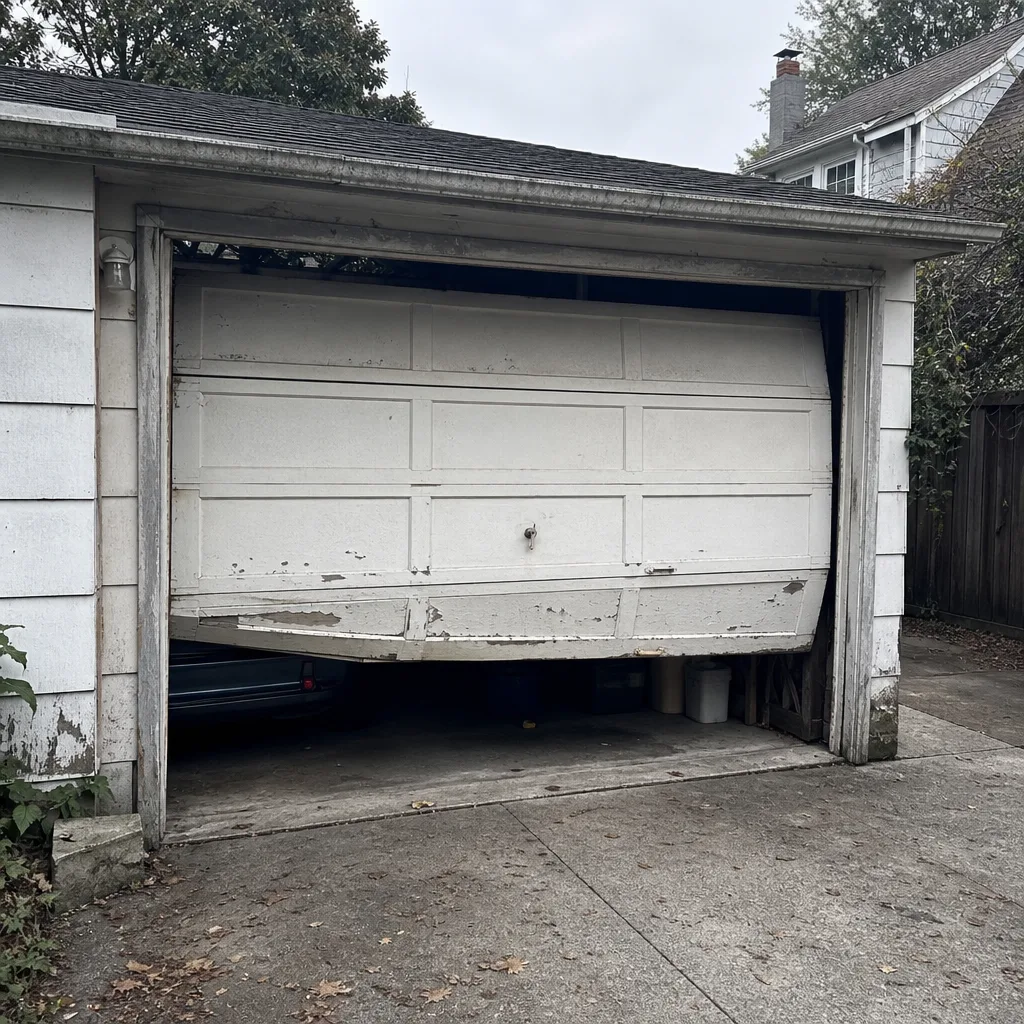 Before
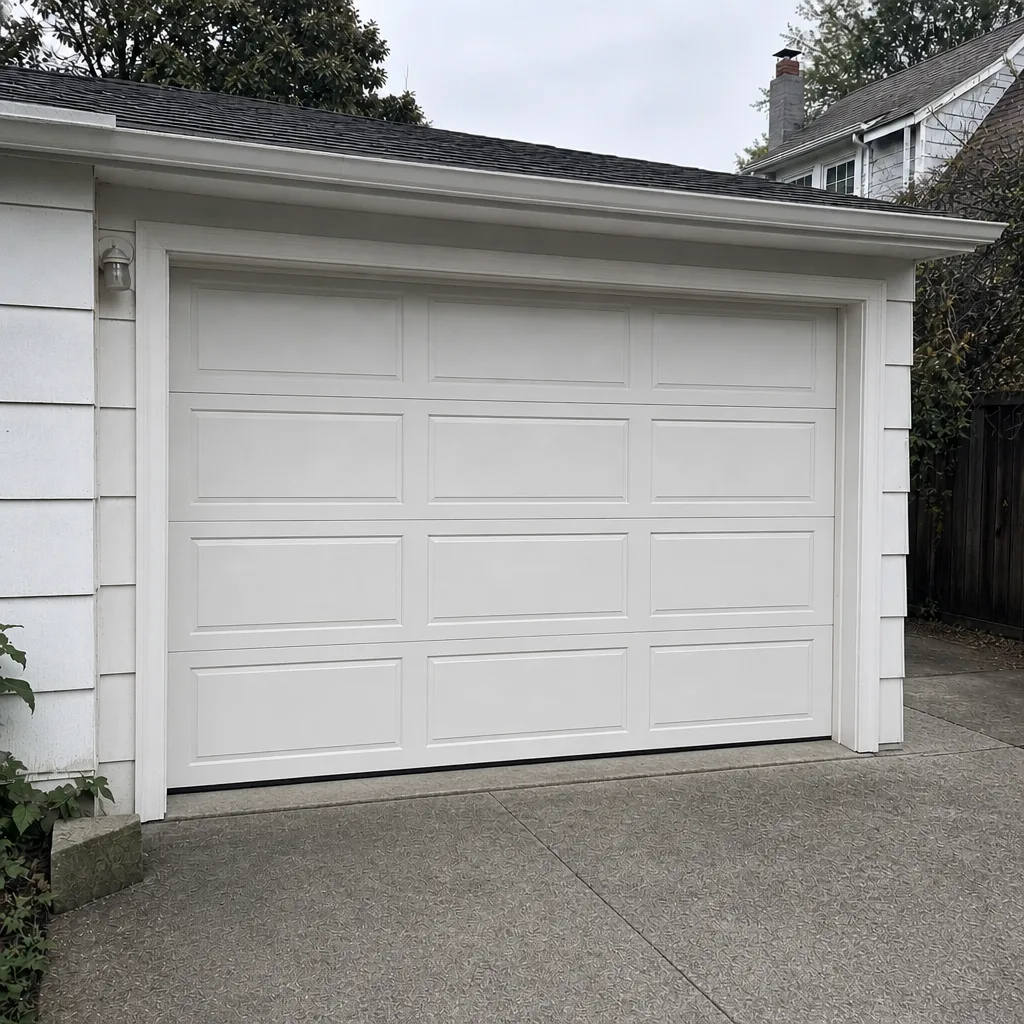 After
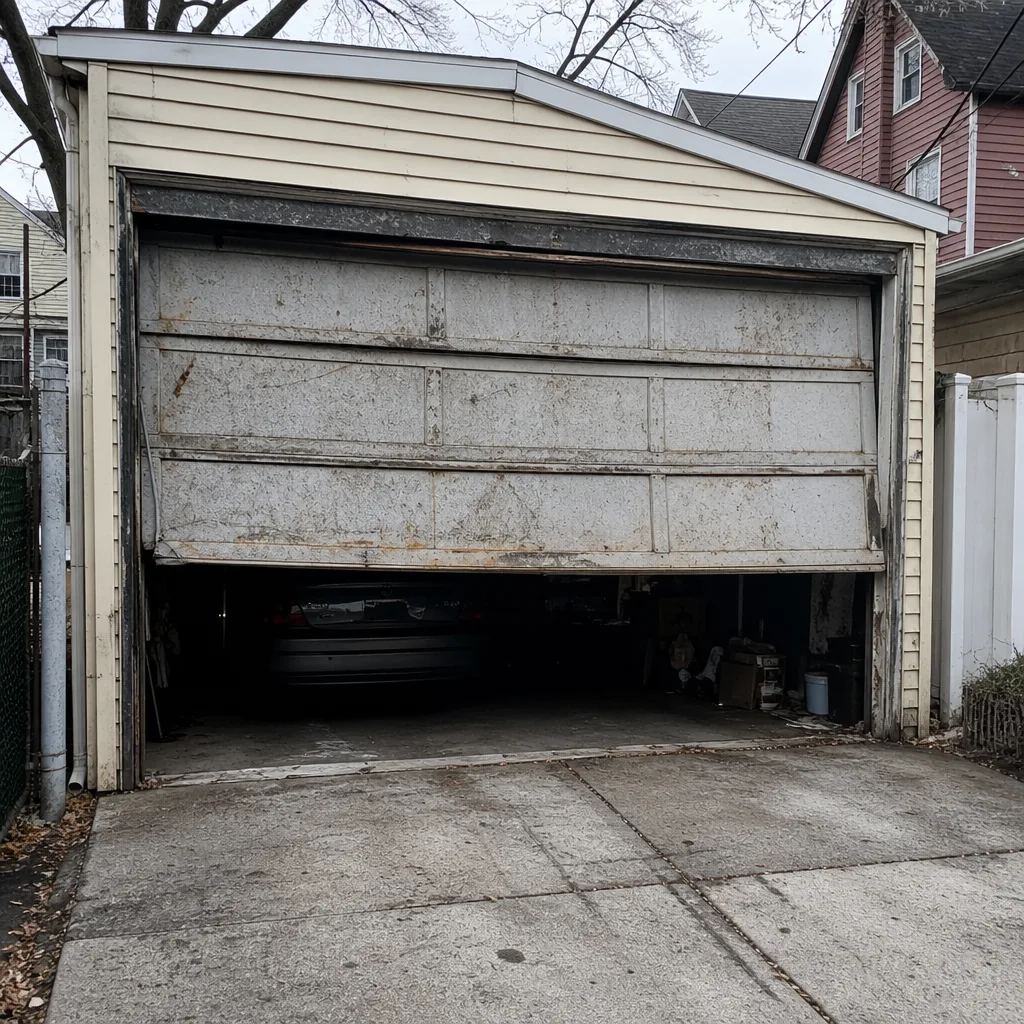 Before
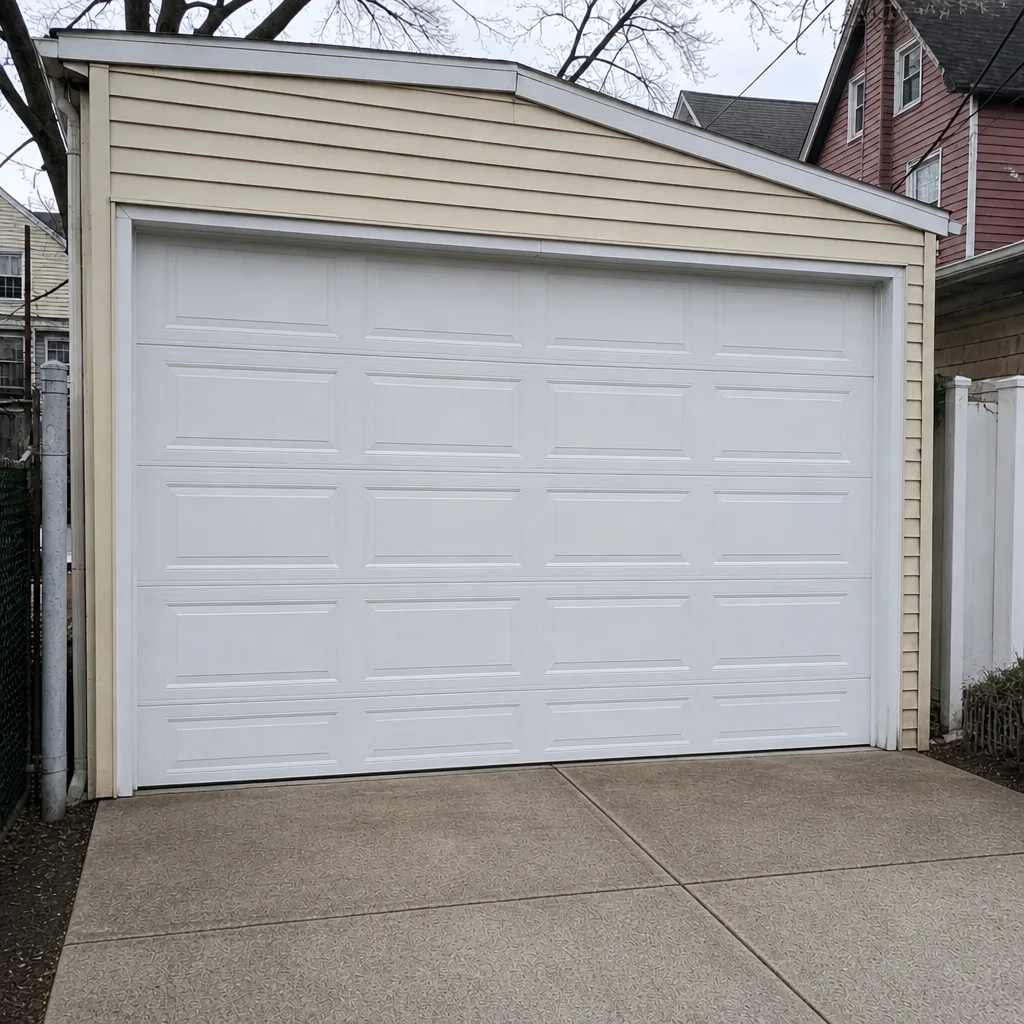 After
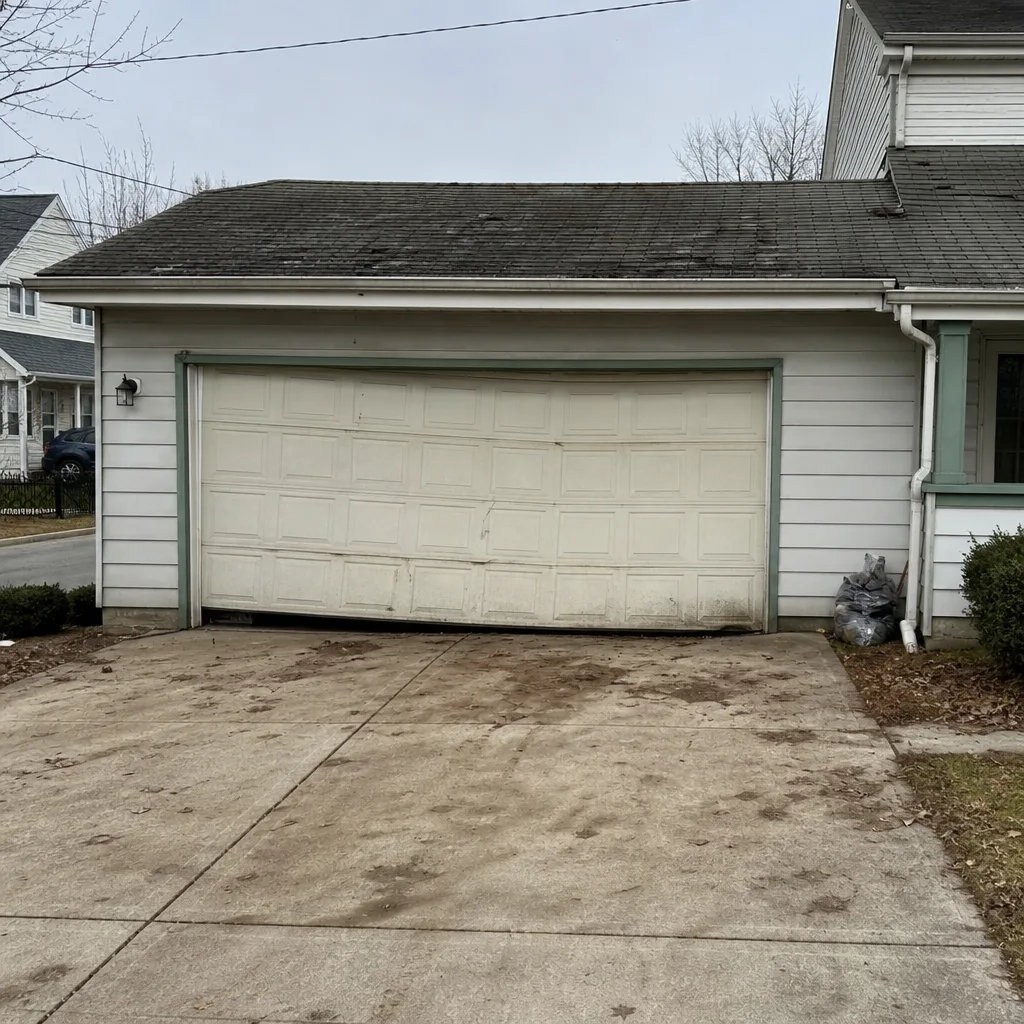 Before
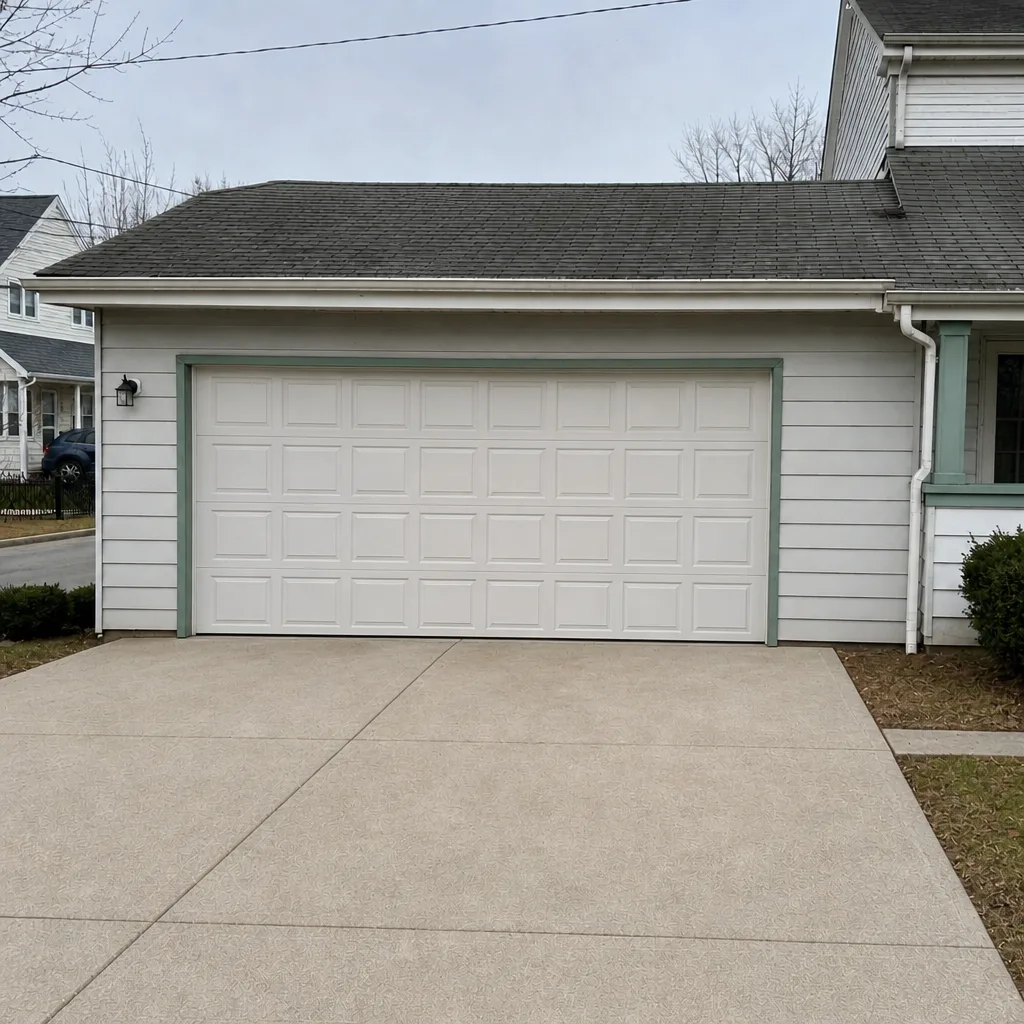 After
When to Call a Professional
Call a garage door specialist when the door won’t open or close, when a spring or cable has failed, when the opener runs but the door doesn’t move, or when the door has come off its track. Call before you start an alteration so you know whether a permit is required and how to file it. Call when a co-op or condo board wants proof of insurance and scope before work begins. Call when the door is unpermitted from a prior owner and you want to know what it will take to bring it into compliance. And call before ordering a new door if the building might be in a historic district, because the door has to be specified correctly the first time. Garage Door Repair East Village offers free estimates in East Village – call (866) 951-2601. We answer 24/7. Fast dispatch from 7am to 7pm, Sunday through Friday.
Our technicians have up to 12 years of experience, and we work on the brand already in your garage – no brand-switching required. That matters for our garage door repair work and for garage door opener repair on LiftMaster, Chamberlain, Genie, Craftsman, and the other major brands. Springs, openers, panels, tracks – the whole system under one specialist.
Frequently Asked Questions
In most cases, no. Replacing a garage door with a same-size unit of the same type in the existing frame is treated as ordinary repair and generally doesn’t require a DOB permit. A permit is typically required when the work changes the opening dimensions, involves structural framing, or creates a new opening. If your building is in a historic district or under a co-op alteration agreement, there may be separate approval requirements even when the city doesn’t require a permit. Call (866) 951-2601 for a free estimate and a straight answer on your specific door.
Check with the city’s Landmarks Preservation Commission or ask your building’s managing agent. Lower Manhattan has a dense concentration of historic districts, and a building inside one is subject to LPC review for exterior changes, including a new garage door on a street-facing facade. Like-for-like replacement is usually simpler than a design change. If the answer comes back that you’re in a district, have a design conversation with a specialist before ordering the door – otherwise you may be buying a door the commission won’t approve.
Repair restores a door that already exists to working condition – new spring, new opener, new panels in the same frame. Alteration changes the opening itself, whether by making it wider or taller, repositioning it, or creating a new opening in a wall. Repair generally doesn’t require a permit; alteration generally does. The distinction is legal, not cosmetic, and it’s the single thing most homeowners get wrong when they start a garage door project.
Yes. Co-op and condo alteration agreements are private contracts that can be stricter than city code. Board rules can require an approved contractor, proof of insurance naming the building as additional insured, prior written approval of the scope, and specific work hours. A board can refuse access to a contractor who isn’t on the approved list even if the contractor is fully licensed. Start the board conversation early; the building’s timeline, not the city’s, is often the one that governs.
Unpermitted alteration work can create problems at resale, expose the owner to violations, and make future work harder to file. The remedy usually involves filing the work retroactively, which may require opening up parts of the installation for inspection and bringing anything non-compliant up to code. The cost of fixing it after the fact is typically higher than filing correctly the first time. If you’ve inherited unpermitted work from a prior owner, ask a specialist to review the door and tell you what it will take to bring it into compliance.
No. An opener replacement is a mechanical swap of the operating hardware and doesn’t touch the building structure or the opening dimensions, so it’s classified as ordinary repair and generally doesn’t require a DOB permit. The same is true of opener repair. We work on LiftMaster, Chamberlain, Genie, and Craftsman openers and can usually tell from a short conversation whether the problem is the opener, the door, or the spring. Call (866) 951-2601 for a free estimate.
The Bottom Line
Garage door permits in East Village come down to a simple distinction: replacing a door in the same opening is repair, and repair doesn’t need a permit. Altering the opening – widening it, cutting a new one, changing the structural framing – does, and treating that work as repair is where homeowners get hurt. On top of the city requirement sit two more layers: landmark review in historic districts and co-op or condo alteration agreements that can be stricter than code. The professional way to handle a project is to ask the permit question first, verify the paperwork with a permit number when a filing is required, and keep the documentation. Our team at Garage Door Repair East Village handles the physical work – springs, openers, panels, tracks – and tells you honestly when a job crosses the line into permitted alteration. Every estimate is free, the price is quoted and agreed before any work starts, and the written estimate sets the final cost. Call (866) 951-2601. We answer 24/7. Fast dispatch from 7am to 7pm, Sunday through Friday. See our full Garage Door Repair East Village service page for the rest of what we cover.
Written by the team at Garage Door Repair East Village.