
Last updated November 21, 2026
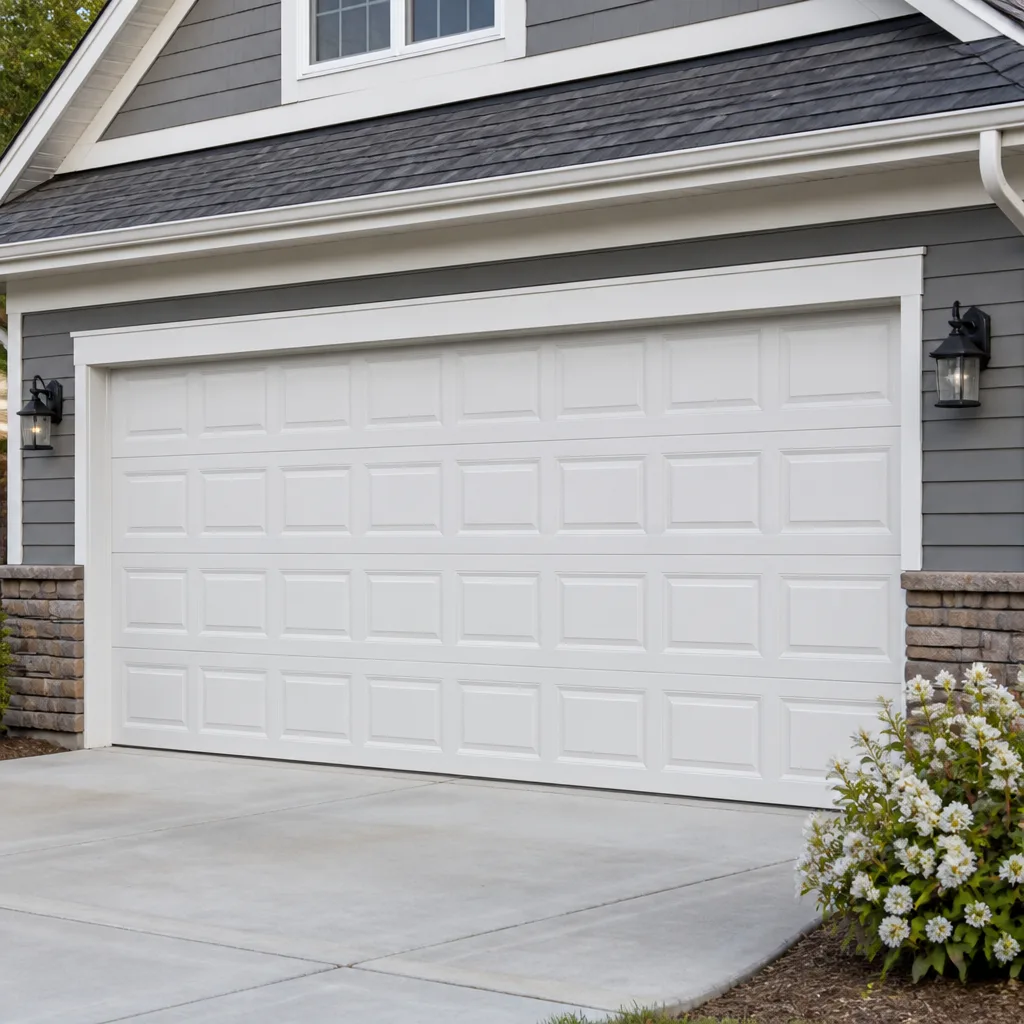 Raised-panel steel
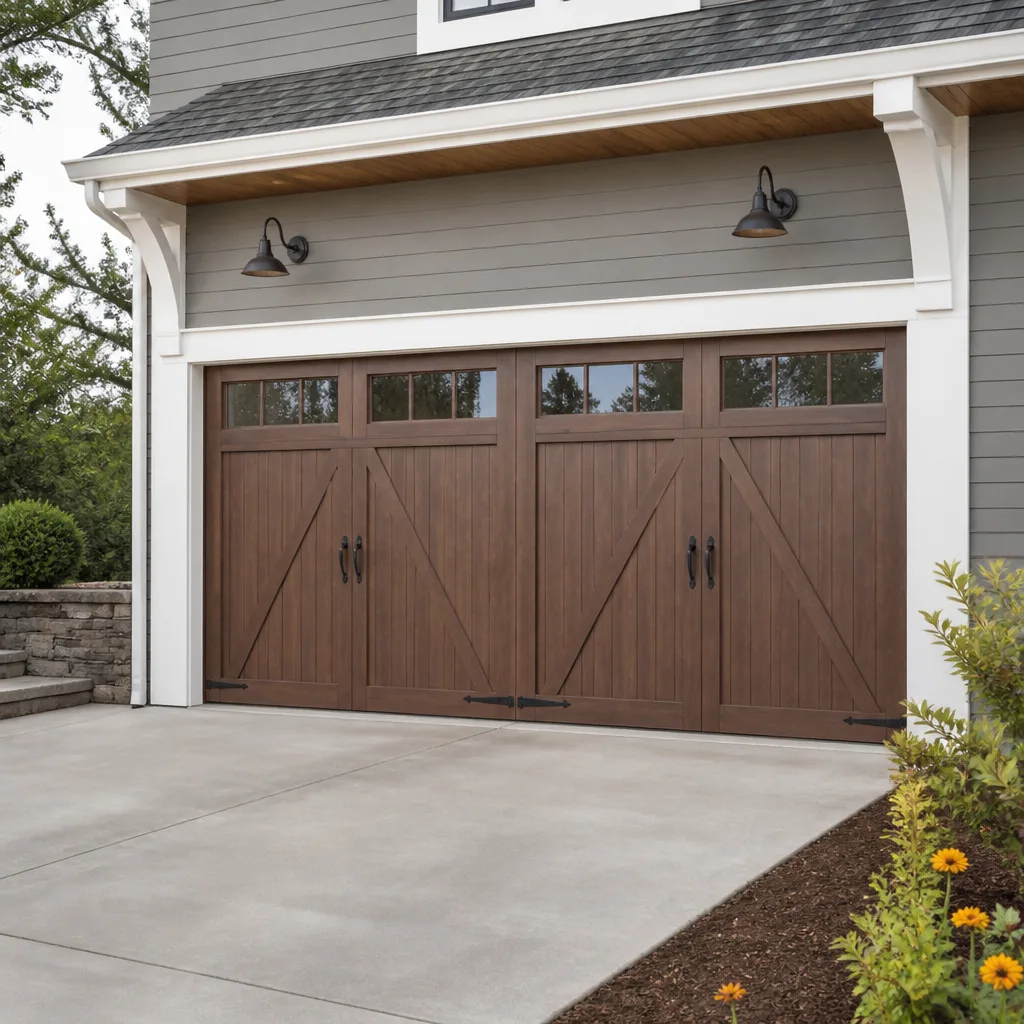 Carriage house
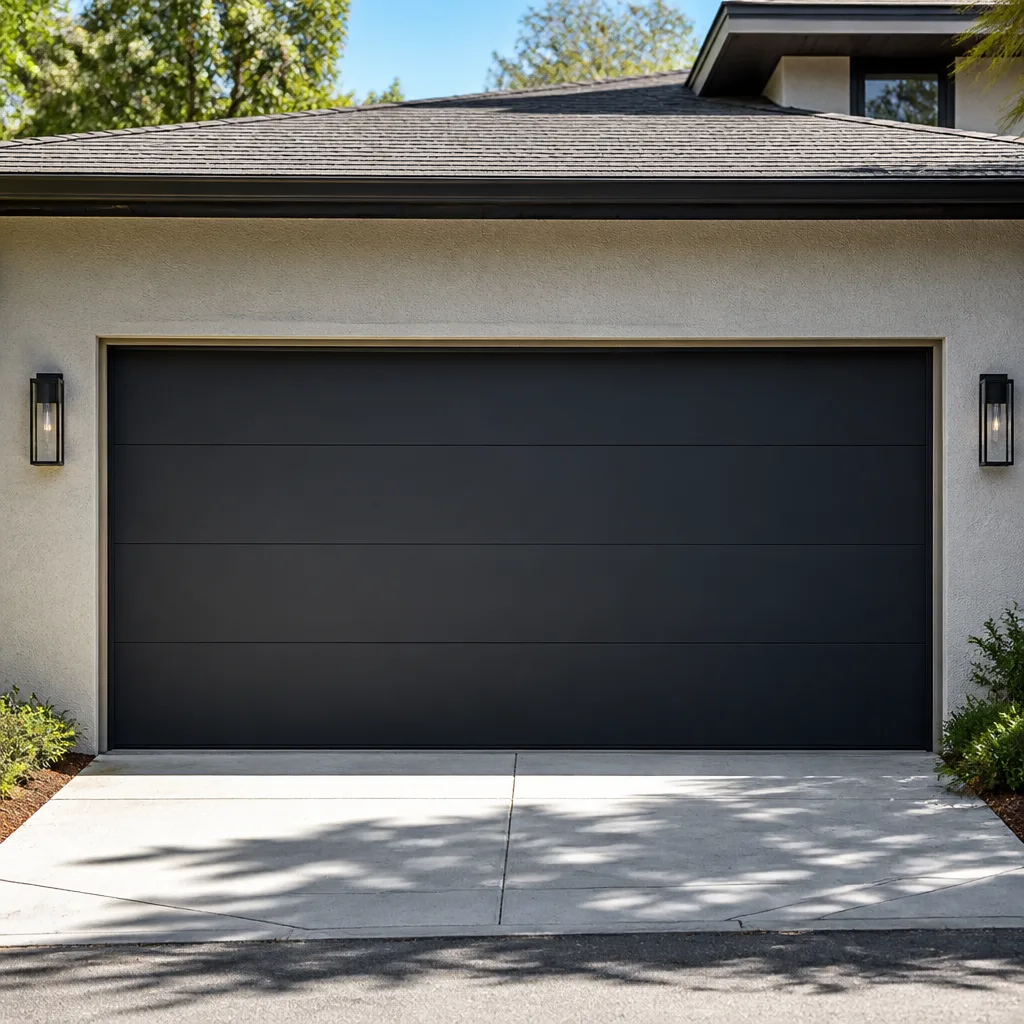 Modern flush
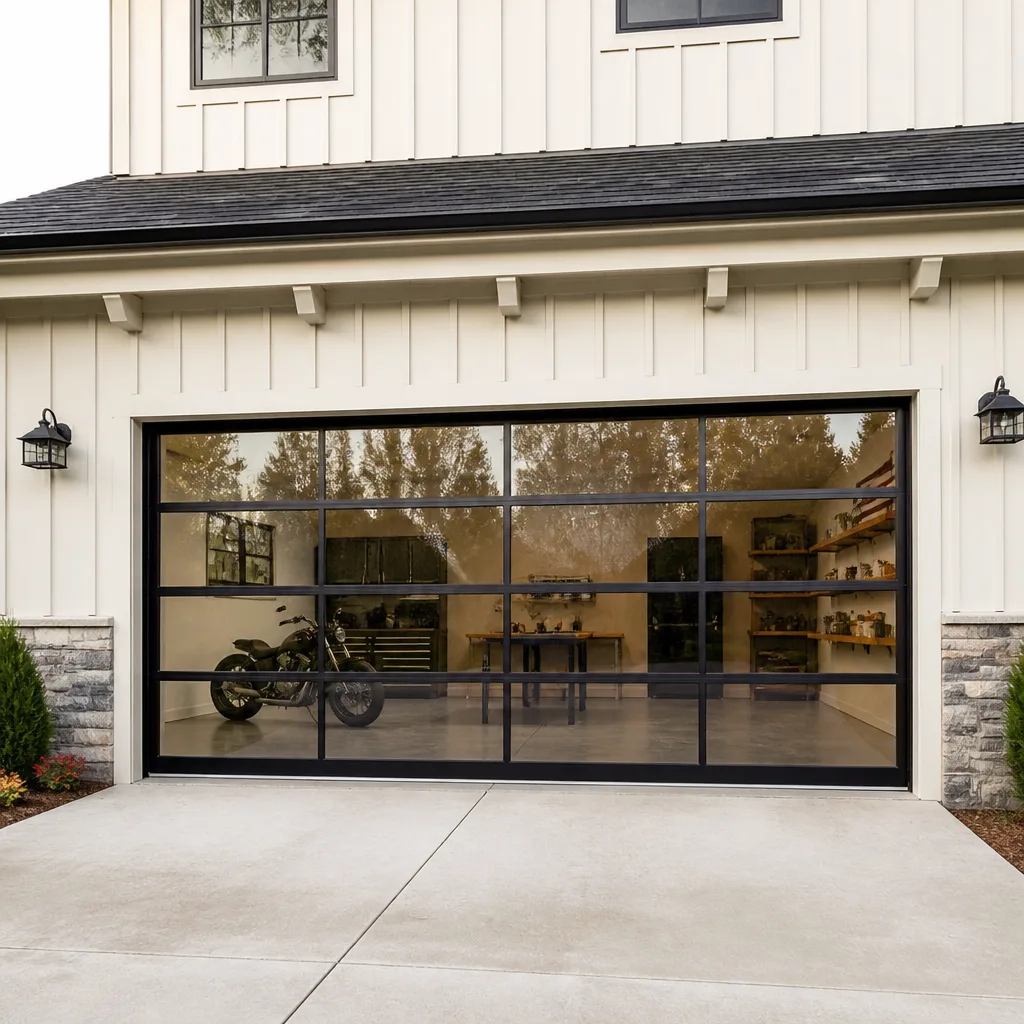 Full-view glass
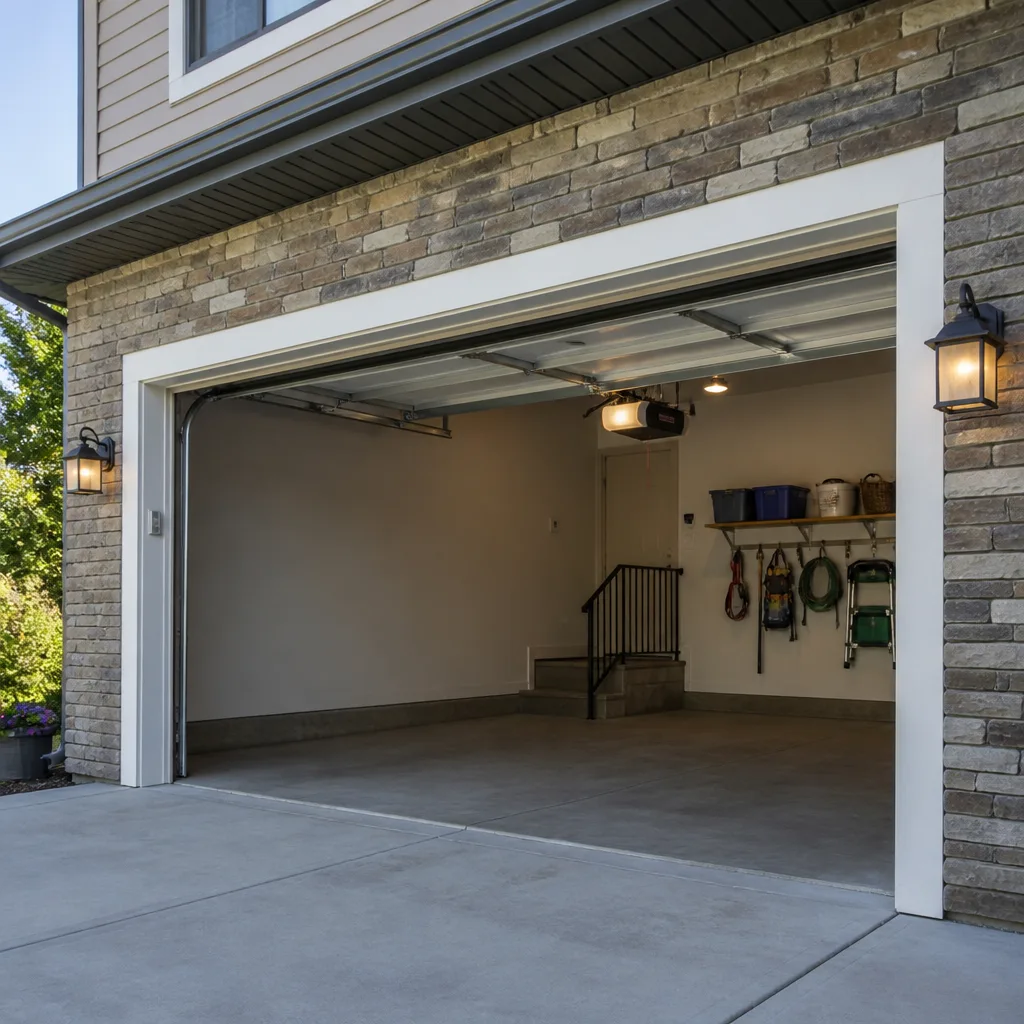 LiftMaster openers
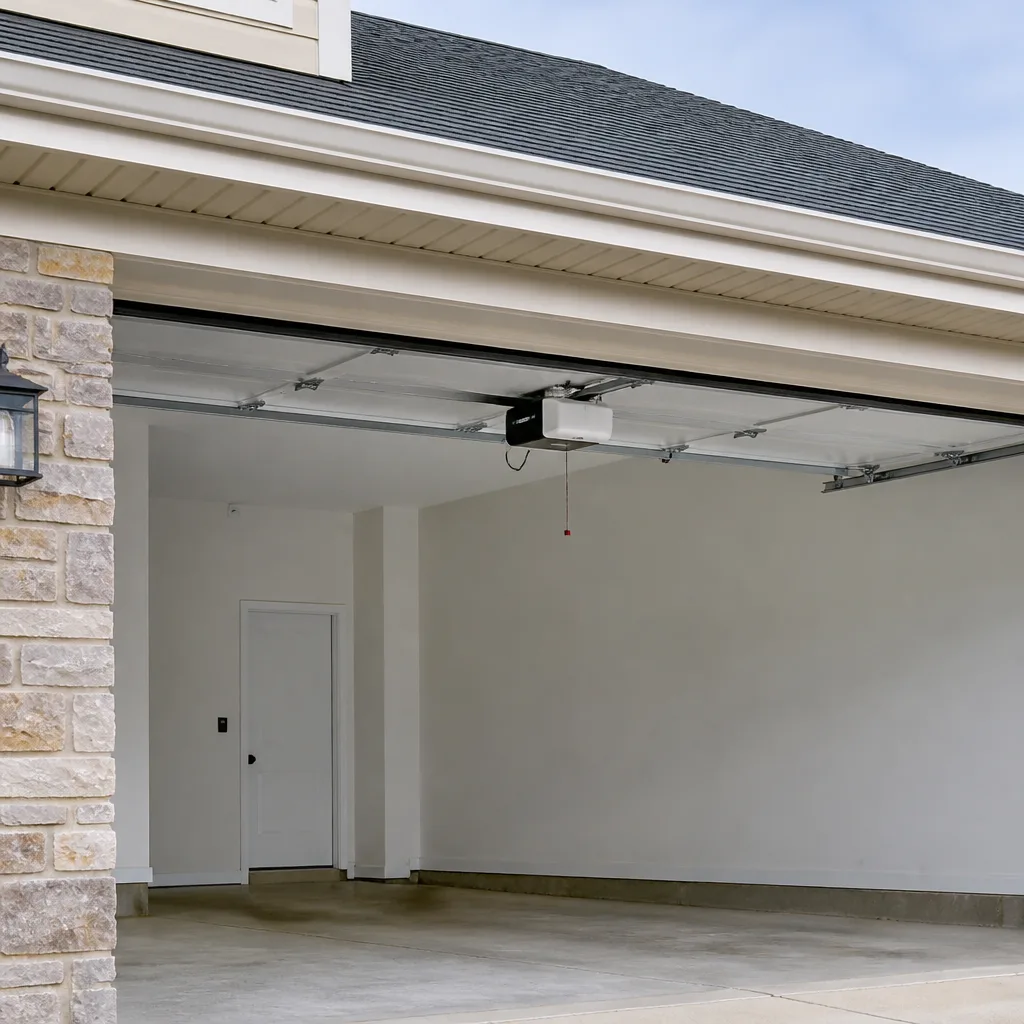 Chamberlain openers
Full 25-point door and opener safety check with every visit - springs, cables, rollers, tracks, and your LiftMaster or Chamberlain opener included
You get a price before we start. It does not change when the pro arrives.
Get your free estimateThe Complete Guide to Garage Doors in East Village
Most garage door guides are written for three-car suburban driveways. East Village has some of the densest urban residential parking in the country, and the advice doesn’t translate. A door system that works beautifully on a wide suburban apron can be useless in a low-headroom basement garage under a tenement conversion, or a noise problem for the neighbor whose bedroom shares a wall with your opener. The hardware that actually fits, the motors that won’t turn your block into a complaint, and the approval steps that decide your replacement timeline are all different here. This guide walks the full decision tree for East Village properties, from figuring out which door your building can even take to picking the system that lasts.
Styles & brands we work with
- Raised-panel steel
- Carriage house
- Modern flush
- Full-view glass
- LiftMaster openers
- Chamberlain openers
Quick Answer
Garage doors in East Village are chosen around building type, not around brand loyalty. A townhouse can often take a standard sectional door, an attached brownstone usually needs a low-headroom or side-room solution, and a converted commercial building has its own structural and landmark considerations. Before you order anything, confirm the opening dimensions, the headroom and side clearance, the building’s approval path, and the noise profile of the opener, because all four decide which systems are viable.
Table of Contents
- How Building Type Decides Which Door Systems Are Viable
- Noise Output and Why It Matters in Attached East Village Buildings
- Space Constraints: Low-Headroom and Side-Room Alternatives
- Co-op and Condo Board Approvals and Replacement Timelines
- Why Multi-Brand Expertise Matters Here
- Repair or Replace: How to Decide Honestly
- Springs: The Part You Should Never Touch
- Matching an Opener to an Urban Door
- What Garage Door Work Typically Costs in East Village
- Common Mistakes to Avoid
- When to Call a Professional
- Frequently Asked Questions
How Building Type Decides Which Door Systems Are Viable
In East Village, the building tells you more about your door options than any product catalog does. Three broad categories cover most properties, and each one rules certain systems in or out before price even enters the conversation.
Rowhouses and Townhouses With a Private Garage
A townhouse with its own street-facing garage opening has the most flexibility. A standard sectional door usually works, provided the ceiling depth behind the opening allows the panels to track up and back. The catch is that many of these garages were cut into the original footprint later, so the ceiling is lower than a suburban standard and the back wall is closer. Measure the headroom to the lowest obstruction – a beam, a duct, a pipe – not to the finished ceiling.
Attached Brownstones Sharing a Party Wall
Attached buildings bring two constraints at once: less depth behind the opening and a shared wall that carries sound straight into a neighbor’s rooms. A sectional door that’s quiet in a detached house can sound like a drum in an attached brownstone. Here, panel material and opener type matter as much as the dimensions, and we often steer these owners toward a belt-driven opener and insulated panels to cut both noise and vibration through the shared structure.
Converted Commercial and Mixed-Use Buildings
Ground-floor commercial conversions are the wildcard. The opening may be wide and tall in a way residential door lines don’t handle, the surrounding wall may be older masonry, and the building may carry exterior rules that limit what you can change. These are the jobs where a site measurement and a conversation about the building’s rules come before any recommendation. We treat every converted commercial opening as its own problem rather than fitting it to a residential template.
The takeaway: identify your building type first, then measure, then choose. Choosing a door and hoping the building accepts it is the most expensive order you can get wrong in East Village.
Noise Output and Why It Matters in Attached East Village Buildings
Noise is the most underrated factor in East Village garage door decisions. In a dense block of attached buildings, a door and opener cycle is heard by everyone whose rooms share the structure. A noisy system turns a normal morning departure into a daily friction point with neighbors, and in a co-op or condo it can become a board matter. It’s worth designing for quiet from the start.
Two parts of the system produce most of the sound:
- The opener motor. Chain drives are the loudest and the most common on builder-grade installs. Belt drives are noticeably quieter because the belt absorbs vibration instead of transmitting it. Screw drives sit in between and are less common in tight residential settings.
- The door and its hardware. Steel panels amplify sound. Insulated panels with a foam core deaden it. Worn rollers, loose hinges and a dry track add rattle on top of whatever the motor produces.
There’s also a vibration path that owners miss: the opener’s mounting. An opener bolted hard to a shared ceiling or beam sends vibration into the building structure, and that’s what the neighbor hears more than the motor itself. Isolation mounts and a properly tensioned door reduce it. If your current door rattles the wall when it moves, the fix is often in the door balance and the mounting, not just the motor.
If you’re weighing a replacement, this is a case where the quiet choice and the cheap choice are rarely the same product. We’re happy to talk through what a given opener will actually sound like in your specific building before you commit. For existing systems that have gotten loud, garage door opener repair can often bring the noise back down without a full swap.
Space Constraints: Low-Headroom and Side-Room Alternatives
Headroom and side room are the two measurements that decide whether a standard sectional door fits or whether you need an alternative. In East Village’s older converted garages, both are frequently short. Here’s how to measure and what each result means.
- Measure headroom. That’s the clear distance from the top of the door opening to the lowest obstruction above it, including any beam, duct or pipe. A full sectional track needs a fairly deep run; if you’re short on it, a low-headroom track configuration or a different door type becomes necessary.
- Measure side room. That’s the clear distance from the side of the opening to the nearest wall or obstruction. Standard torsion setups want side room for the spring and track; if there’s almost none, a low-side-room configuration or a different spring placement is the answer.
- Check the back room. The distance from the opening back into the garage. A sectional door’s panels travel back along the ceiling, so shallow garages may not have the depth for a standard track.
- Consider the alternatives. When headroom or side room rules out a standard sectional, the options usually narrow to a low-headroom sectional configuration, a one-piece tilt door, or a roll-up style where the building allows it. Each trades off differently on insulation, noise and clearance.
This is the single biggest reason a generic door recommendation fails in East Village. A door that’s ideal for a deep suburban garage may be physically impossible in a converted basement garage, and no amount of brand reputation changes the dimensions. For a full replacement decision, our garage door installation service starts with these measurements before any product is discussed.
Co-op and Condo Board Approvals and Replacement Timelines
In a co-op or condo, your door replacement timeline is set by the board, not by the installer. Boards in East Village buildings commonly want to review the change before work starts, and the process is what stretches a replacement from days of actual work into weeks of calendar time. Plan for it from the beginning.
What boards typically ask for, and what to have ready:
- Visual specifications. Style, color and material of the new door, because exterior appearance is often the board’s main concern on attached buildings.
- A written scope. What’s being replaced, what’s staying, and how the opening will be protected during the work.
- Contractor details. Who’s doing the work and their insurance, since boards routinely require proof before approving access.
- Timing and access. How long the door will be out of service and how vehicles will be handled during the install.
The practical move is to get the board conversation started before you finalize the product. Locking in a door and then discovering the board wants a different color or style costs you the lead time twice. If your building has exterior rules, confirm exactly which ones apply to your opening rather than assuming. We can provide the written scope and contractor details a board asks for, so the approval step doesn’t stall on paperwork.
Why Multi-Brand Expertise Matters Here
In a suburb where every third house has the same popular opener, a technician can learn one brand and get by. East Village is the opposite. A single block can hold a LiftMaster from one era, a Chamberlain from another, a Genie in a converted commercial space, and a Clopay door with hardware that’s been swapped over the years. You can’t just pick the most popular suburban model and assume it matches what’s already in the building.
That’s why we work on the brand already in your garage rather than pushing you toward a swap. Our technicians handle systems from LiftMaster, Chamberlain, Genie, Clopay, Amarr, Wayne Dalton, Craftsman and Raynor, which means a diagnosis starts from what’s actually installed. When a door or opener is repairable, staying with the existing brand is usually the faster and less disruptive path, especially when a board approval would otherwise be needed for a full replacement.
Multi-brand competency matters most in three situations:
- Older openers. Legacy units still running in East Village buildings often need parts and knowledge specific to that generation, not a modern one-size answer.
- Mixed systems. A door from one maker with an opener from another is common here, and both halves need to be understood together.
- Smart-home upgrades. If you’re adding connectivity, the opener’s brand and generation determine what’s possible, and the dominant smart-home names come up constantly.
For the mechanical door itself, our garage door repair covers panels, tracks, cables and the rest of the assembly. And because the mechanical door and the opener are handled together, you don’t need two separate visits for two halves of the same system.
Repair or Replace: How to Decide Honestly
The repair-or-replace question comes down to the door’s structure, not its age alone. A door that’s fundamentally sound can usually be repaired for far less than a replacement, and a door that’s failing structurally is usually money wasted on repeated fixes. Here’s how we think it through.
Lean toward repair when:
- The panels are intact and the tracks are straight.
- The problem is mechanical – springs, cables, rollers, hinges, or the opener.
- The door still seals against the opening and moves evenly.
- A board approval would add weeks you don’t want to spend.
Lean toward replacement when:
- Panels are dented, rusted through, or separating from their frame.
- The door is out of balance and won’t stay balanced after adjustment.
- Repeated repairs are adding up toward the cost of a new door.
- You need a different door type to solve a headroom or noise problem that repair can’t fix.
We’ll tell you honestly which side of that line your door is on. Nobody benefits from a replacement sold on a door that only needed a spring, and nobody benefits from patching a door that’s about to fail. For the entry point on our full service list, start with Garage Door Repair East Village.
Springs: The Part You Should Never Touch
A garage door’s springs carry the full weight of the door, and they’re under high tension at all times. This is the one part of the system where we give a firm safety warning rather than a how-to. Do not attempt to adjust, loosen or replace torsion or extension springs yourself. The stored energy in a wound spring can cause severe injury in an instant, and the tools and technique involved are not a homeowner project.
What you can safely do is recognize the signs of a spring problem:
- The door feels extremely heavy when lifted by hand, or won’t stay up.
- You hear a loud bang from the garage and the door won’t open.
- The door opens a short way and stops, or drops suddenly.
- You can see a visible gap in a torsion spring.
If any of these show up, stop cycling the door and keep people clear until a technician looks at it. Spring repair is a dedicated service for us because it’s the most hazardous and most frequently mishandled repair in the trade, and it’s not a job for a generalist. Our technicians have up to 12 years of experience, and the local pro we connect you with is licensed and insured as the state requires.
One cost note: springs are priced per spring, and a matched pair is usually replaced together, so a pair costs about twice a single spring. We’ll explain which you need before any work starts.
Matching an Opener to an Urban Door
The opener has to suit the door and the building, not the other way around. In East Village, the opener decision turns on three things: the door’s weight and balance, the noise tolerance of the neighbors, and whether you want smart-home control.
A quick decision path:
- Weigh the door and confirm it’s balanced. An opener sized for a lighter door will strain on a heavier or unbalanced one. Balance first, opener second.
- Choose the drive for the building. Belt drive where noise matters most, which in attached East Village buildings is usually the case.
- Check the controls and safety features. Modern openers include safety reversal and, on connected models, alerts and remote control through the dominant smart-home brands.
- Confirm the door and opener work as a pair. The best-tuned opener still struggles with a door that binds or rattles. Fix the door before blaming the motor.
When an existing opener fails, repair is often the smarter move than a swap, particularly if the unit is otherwise sound and a full replacement would trigger board review. Call (866) 951-2601 to talk through the options. We answer 24/7, with fast dispatch from 7am to 7pm, Sunday through Friday.
What Garage Door Work Typically Costs in East Village
Costs here are driven by the opening’s constraints as much as by the product. A door that fits a standard opening costs less to install than one that needs a low-headroom or low-side-room configuration, and urban access and board requirements can add steps to a job. The ranges below are typical estimates for the East Village market. The written estimate sets the final price, and the price is quoted and agreed before any work starts.
| Job | Typical estimated cost |
|---|---|
| Spring repair, single spring | Per-spring estimate; a matched pair runs about twice a single spring |
| Garage door repair (cables, rollers, hinges, tracks) | Per job by written estimate |
| Opener repair | Per job by written estimate |
| Opener replacement | Per job by written estimate |
| New door installation | Measured and quoted per job |
Two pricing points matter in East Village. First, the written estimate is the price, so there’s no invoice surprise when the technician sees the opening. Second, installation isn’t a same-day job: it’s measured, ordered and scheduled, and in a co-op or condo the board approval step comes first. Get a free measure and a written price rather than a phone number guess.
For urgent problems – a door that won’t close on a ground-floor opening, or a spring that just let go – call (866) 951-2601 for an exact quote. Estimates are free. We answer 24/7, with fast dispatch from 7am to 7pm, Sunday through Friday, closed Saturday.
Common Mistakes to Avoid
- Ordering a door before measuring. In East Village, headroom and side room rule out many standard doors, and a door bought before measuring often can’t be fitted at all.
- Ignoring the noise path. Picking a chain-drive opener for an attached brownstone gives the neighbor a daily alarm clock. Choose the drive for the building, not the lowest price tag.
- Skipping the board conversation. A co-op or condo replacement that starts without board approval can stall for weeks. Get the approval going before you commit to product.
- Touching the springs. This is the most dangerous part of the system. No homeowner adjustment is worth the risk; leave torsion and extension springs to a trained technician.
- Blaming the opener for a door problem. A binding, unbalanced or rattling door makes any opener work harder. Fix the door first, and many “opener failures” disappear.
- Assuming a suburban model fits. The most popular door and opener in a suburban market may be physically wrong for a converted commercial or low-headroom East Village garage. Match the system to the opening.
- Patching a failing door repeatedly. If panels are failing or the door won’t stay balanced, repeated repairs add up toward a replacement you’ll need anyway.
When to Call a Professional
Some things are worth a call rather than an attempt. A door that won’t open or close and leaves a ground-floor opening unsecured is an emergency, and so is a spring that’s snapped or a door hanging off its track. Those need prompt attention, and Garage Door Repair East Village offers emergency garage door service for exactly these situations. Any time you’re tempted to touch a torsion or extension spring, stop and call instead. If the door is loud, binding, or the opener is misbehaving, a diagnostic visit saves you from guessing at parts. And for a new door in a co-op or condo, start with a free measure and a written estimate before you decide anything. Garage Door Repair East Village offers free estimates in East Village, call (866) 951-2601.
Frequently Asked Questions
Most East Village townhouses can take a standard sectional door if the headroom and side room allow it, but many of these garages were cut into the original footprint and have less depth than a suburban build. Measure headroom to the lowest obstruction above the opening and side room to the nearest wall before choosing. If either is short, a low-headroom or low-side-room configuration is usually the answer.
Yes. A chain-drive opener bolted hard to a shared ceiling sends vibration straight into the structure, and that’s what the neighbor hears. A belt drive with isolation mounts and a properly balanced door is significantly quieter. In attached East Village brownstones, we recommend designing for quiet from the start rather than fixing the noise later.
Usually yes, if the door is visible on the exterior or affects the building’s appearance. Boards commonly want visual specifications, a written scope, contractor details and a timing plan before approving the work. Start that conversation before you lock in a product, because the approval step, not the install itself, is what stretches the timeline.
Springs are priced per spring, and a matched pair is usually replaced together, so a pair costs about twice a single spring. The written estimate sets the final price, and it’s quoted and agreed before any work starts. Call (866) 951-2601 for an exact quote. Estimates are free.
In most cases, yes. We service systems from LiftMaster, Chamberlain, Genie, Clopay, Amarr, Wayne Dalton, Craftsman and Raynor, so we diagnose what’s installed rather than pushing a brand swap. If your opener is a legacy unit or paired with a door from a different maker, that’s normal here and part of what we work with.
Yes, a door that won’t close and leaves an opening unsecured is treated as an emergency, and same-day service is available for these calls. Call (866) 951-2601. We answer 24/7, with fast dispatch from 7am to 7pm, Sunday through Friday, closed Saturday. A call outside those dispatch hours is booked into the next opening.
The Bottom Line
Garage doors in East Village are chosen around the building, not the catalog. Measure headroom and side room first, because they decide which systems are viable. Design for quiet in attached buildings, since an opener’s noise carries through shared walls. Get the co-op or condo board conversation started before you commit to a product, because approval sets the timeline. Stay with the brand already in your garage where repair makes sense, and leave the springs to a trained technician. Whether you repair or replace, the written estimate is the price, and it’s agreed before work starts. When you’re ready for a free measure or an exact quote, call (866) 951-2601.
Written by the team at Garage Door Repair East Village.
See the difference
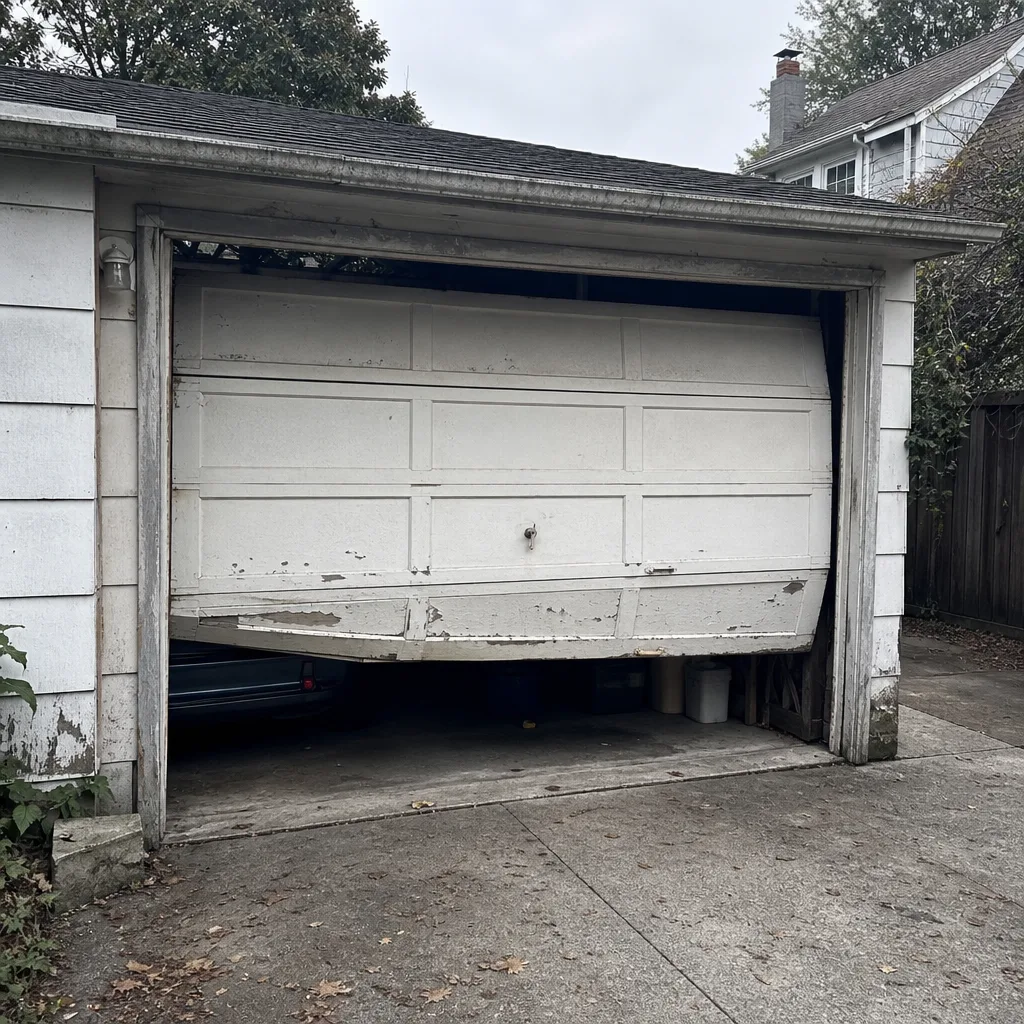 Before
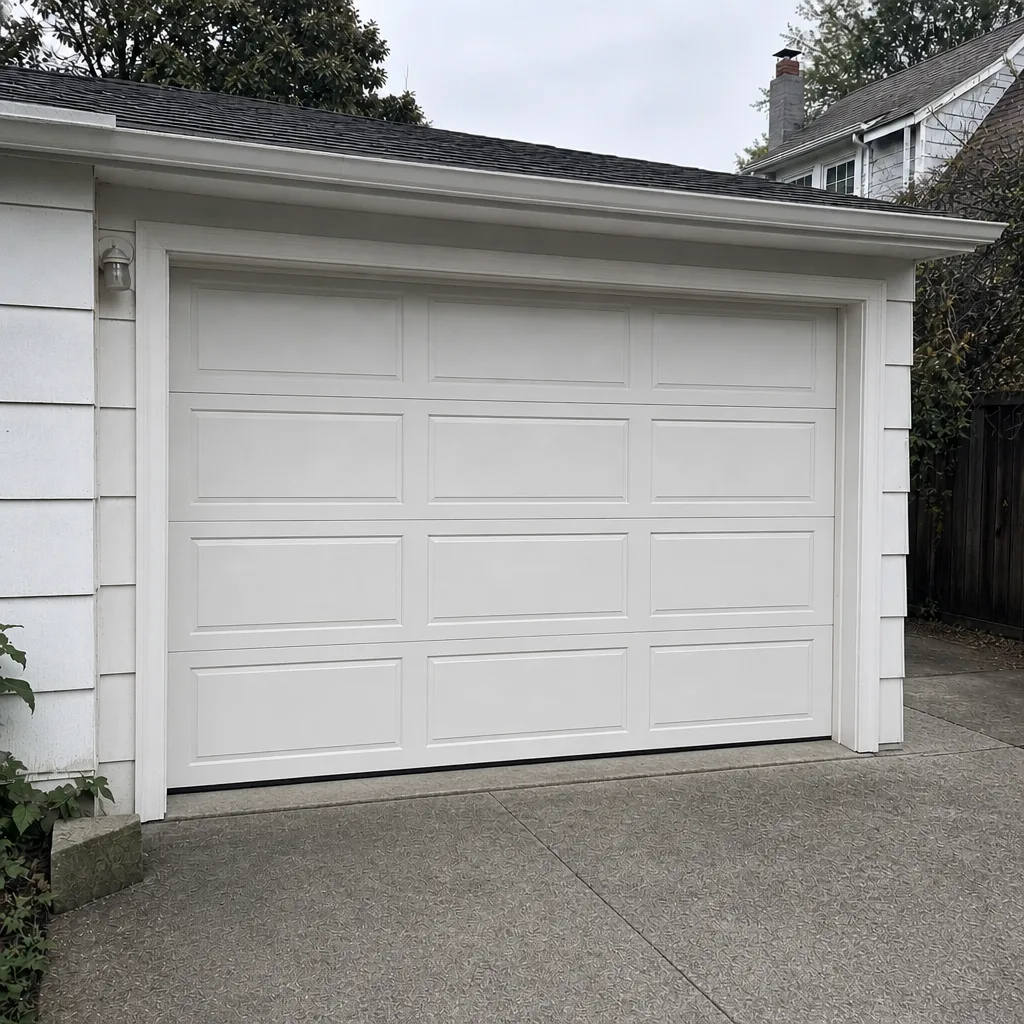 After
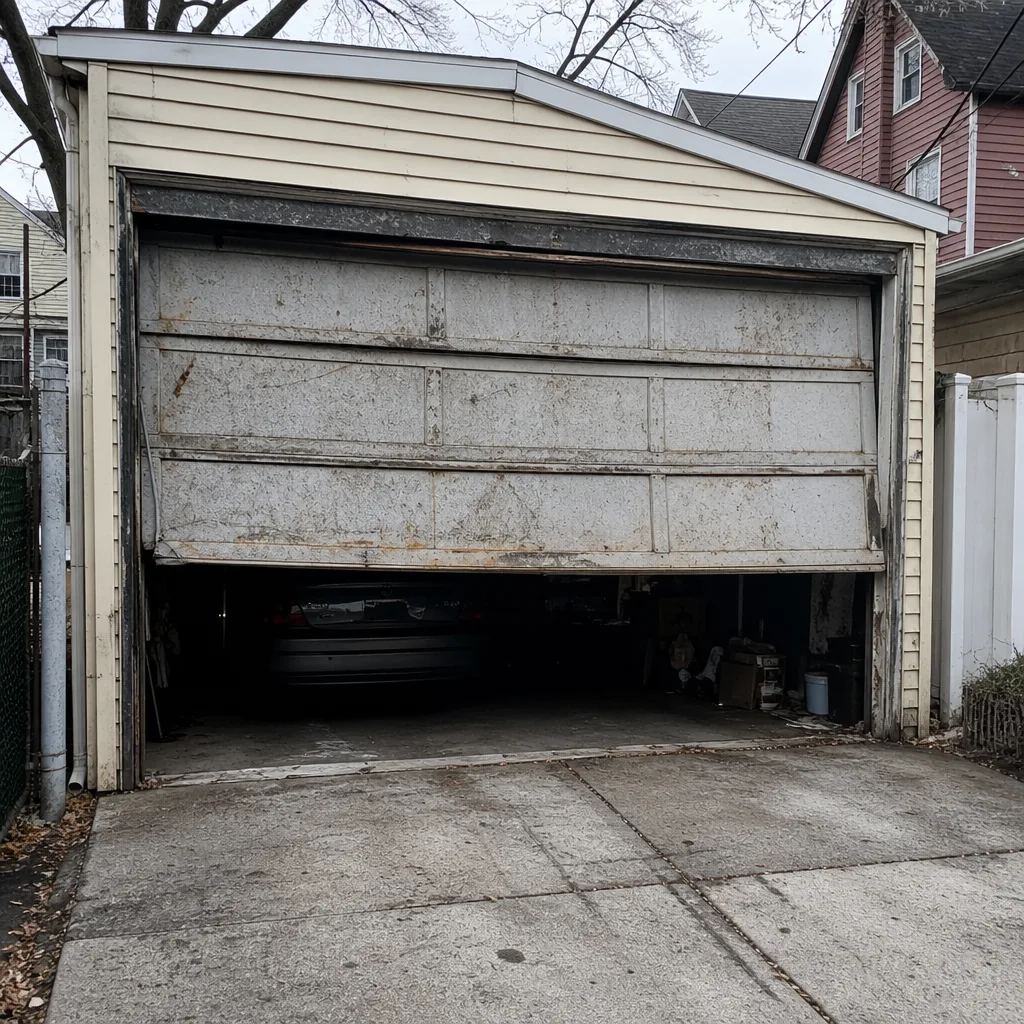 Before
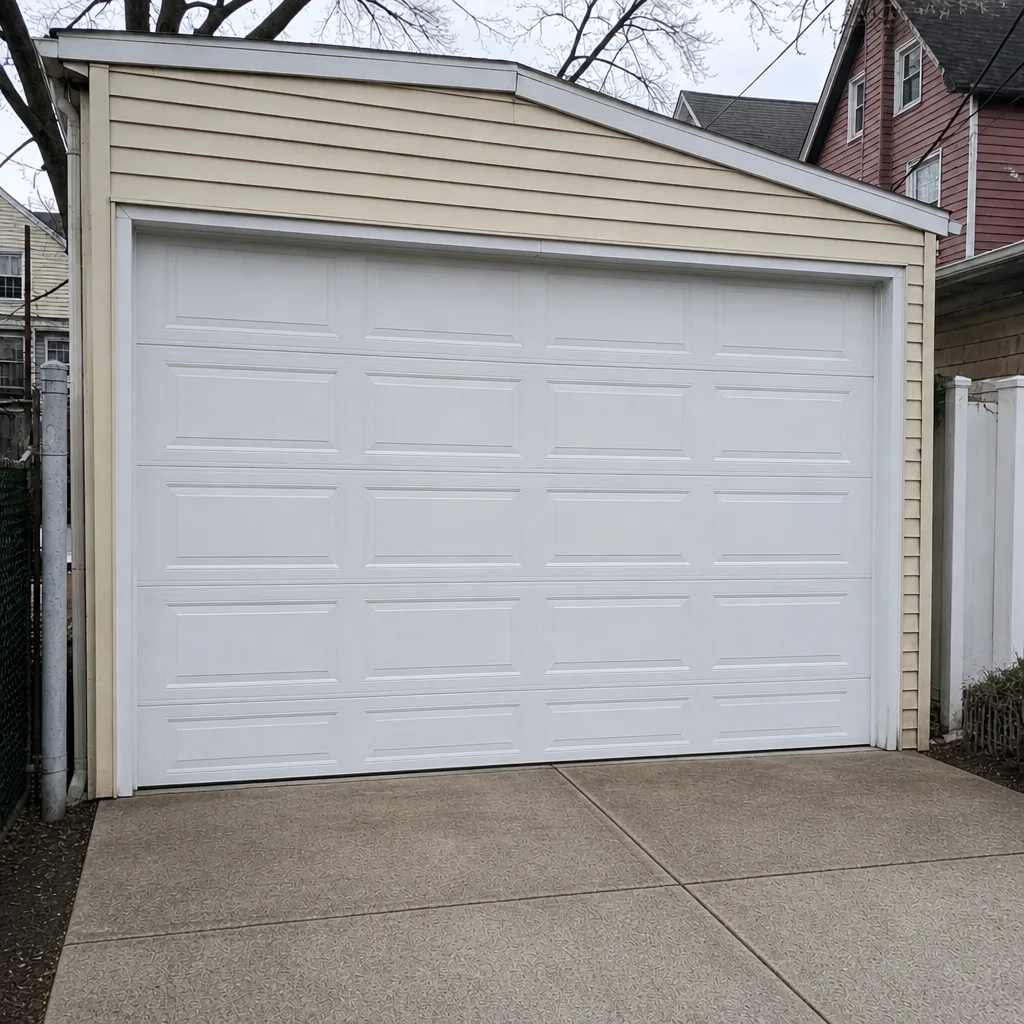 After
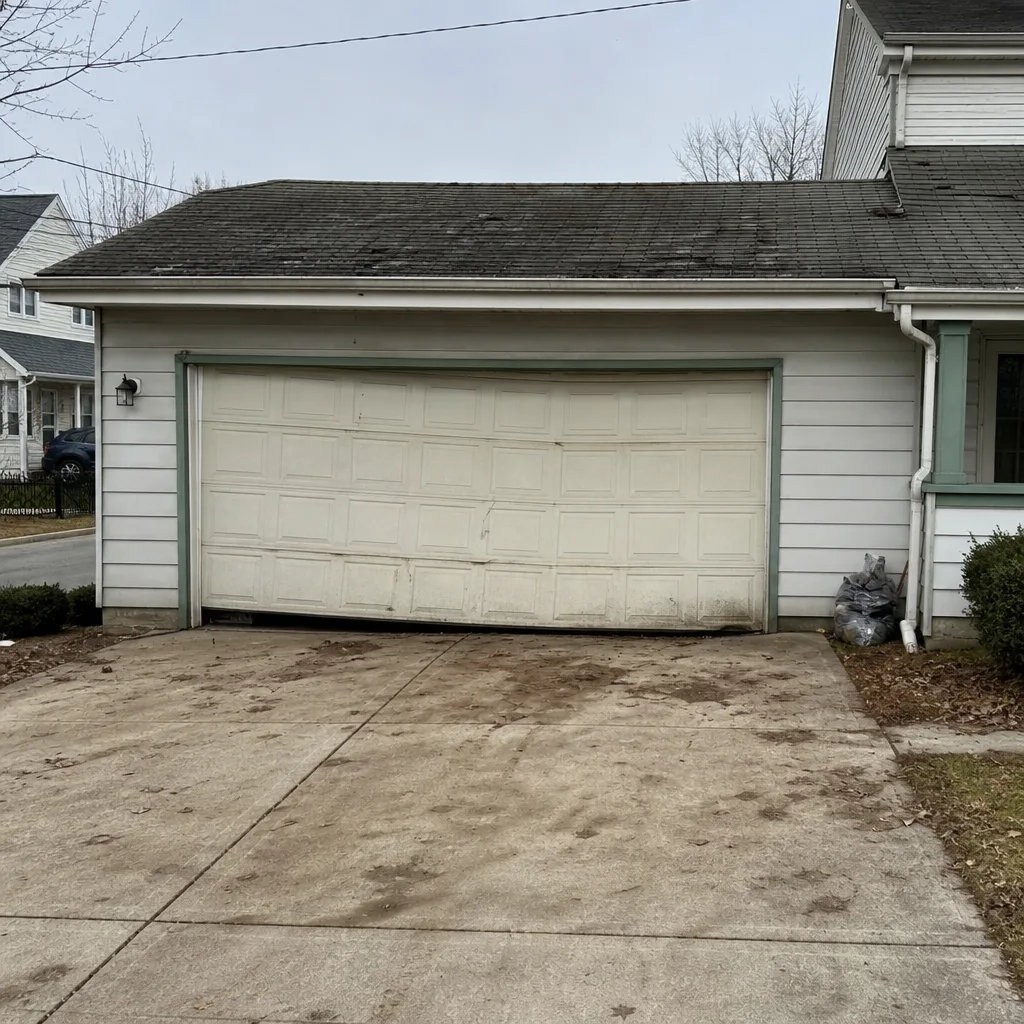 Before
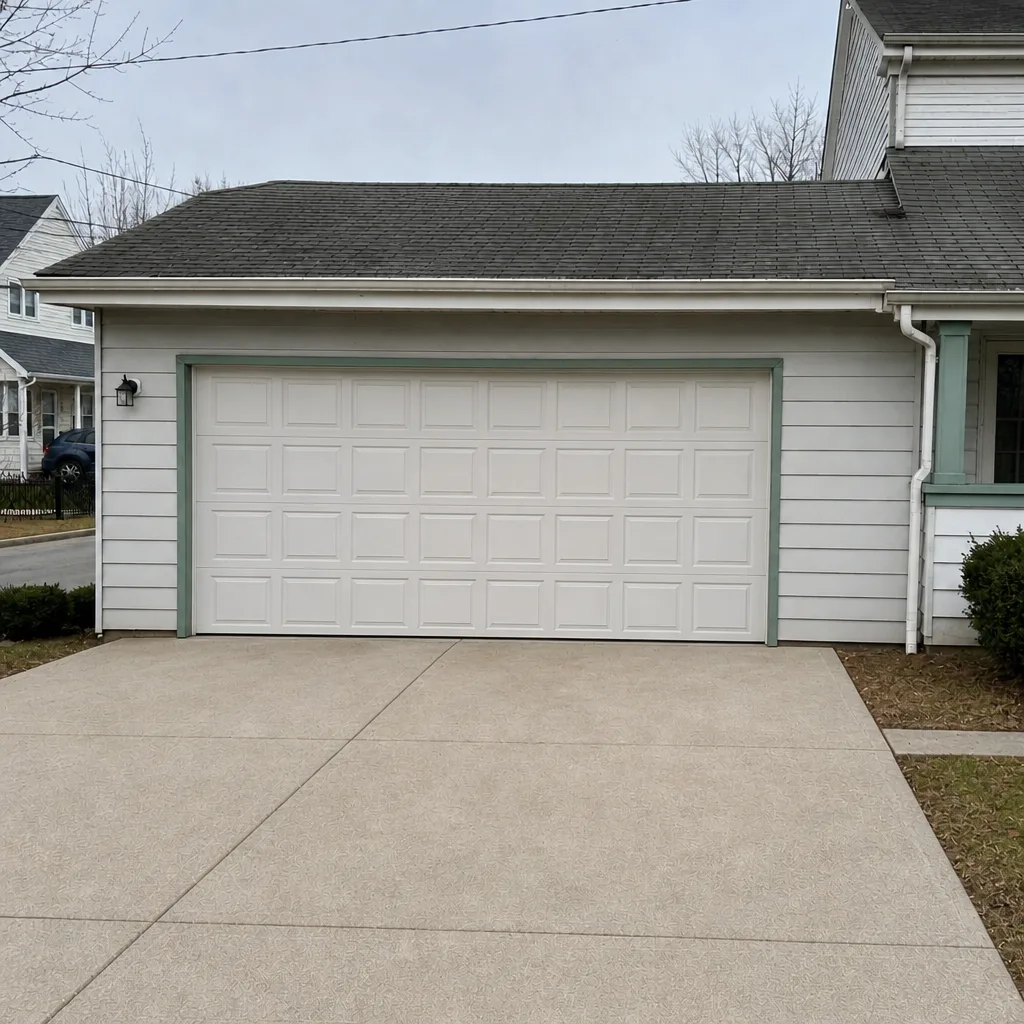 After