
Last updated November 21, 2026
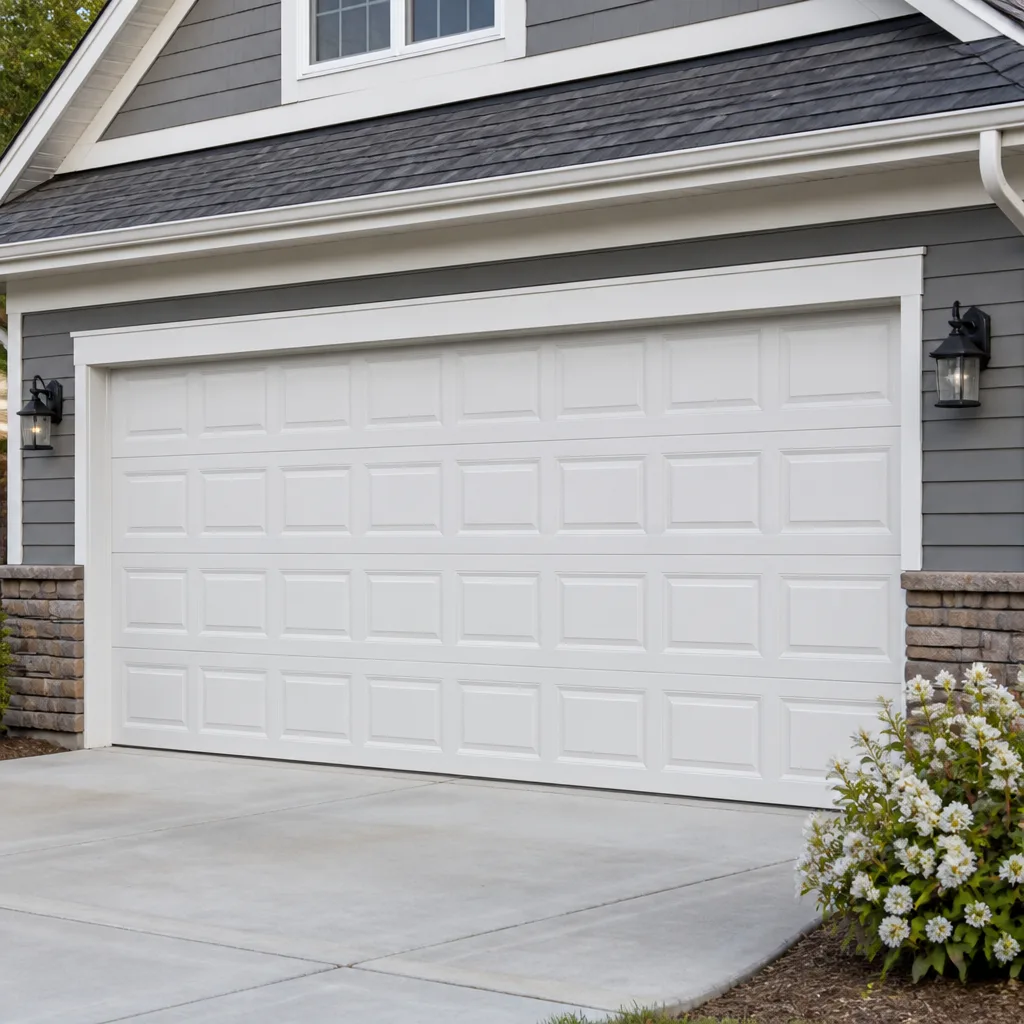 Raised-panel steel
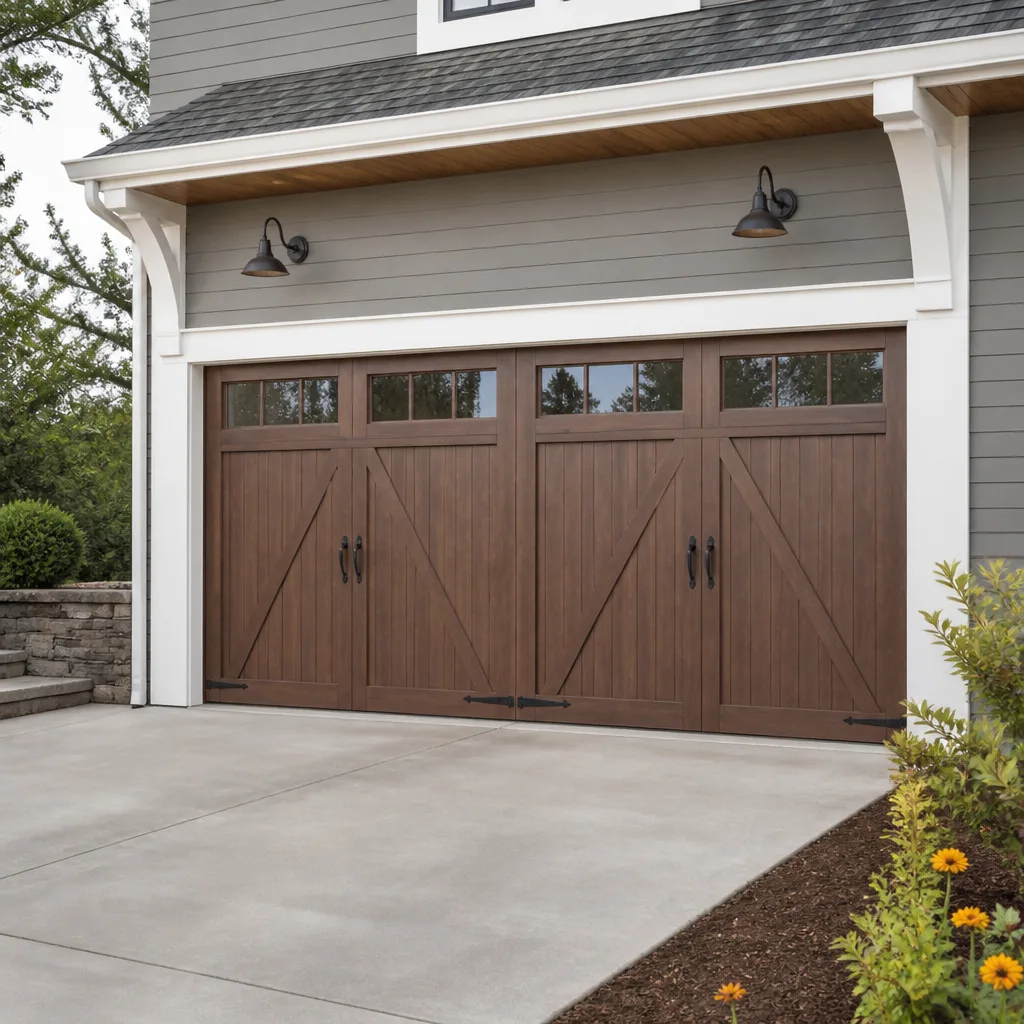 Carriage house
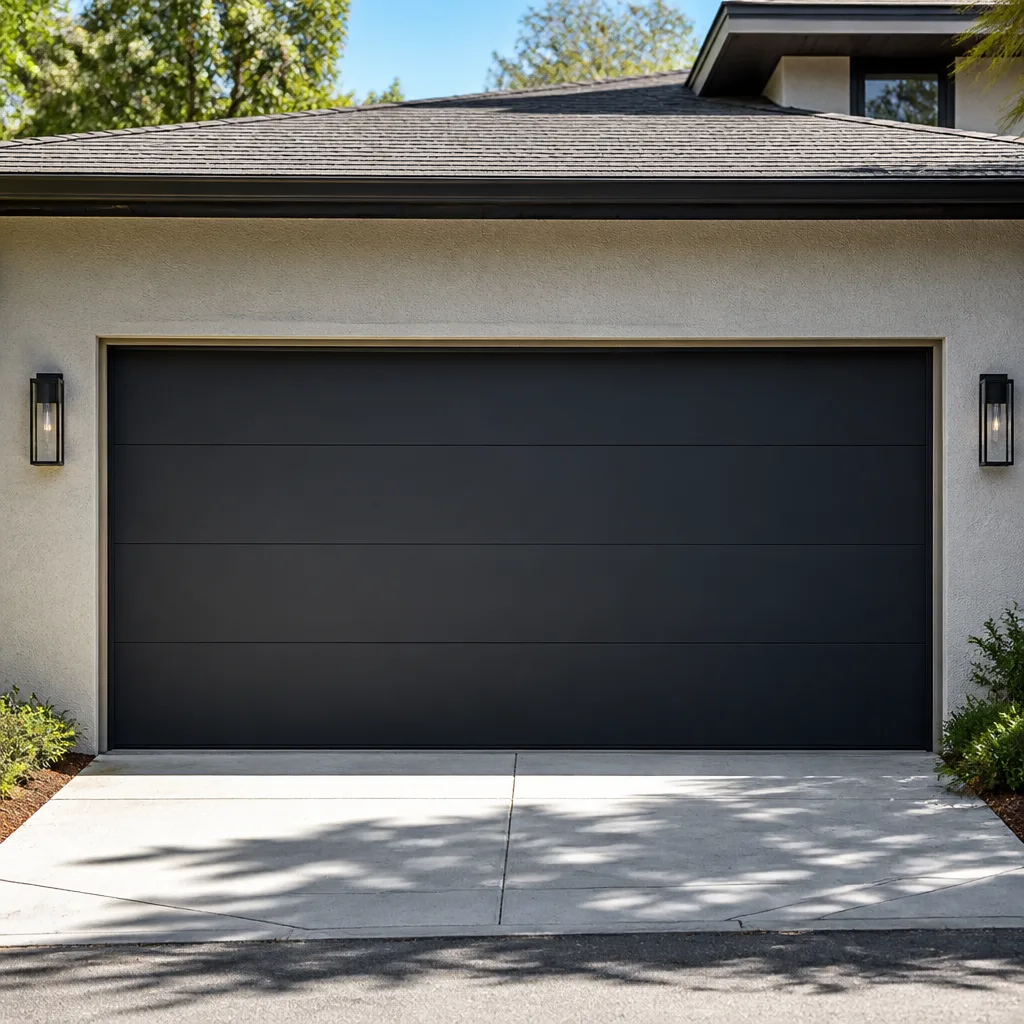 Modern flush
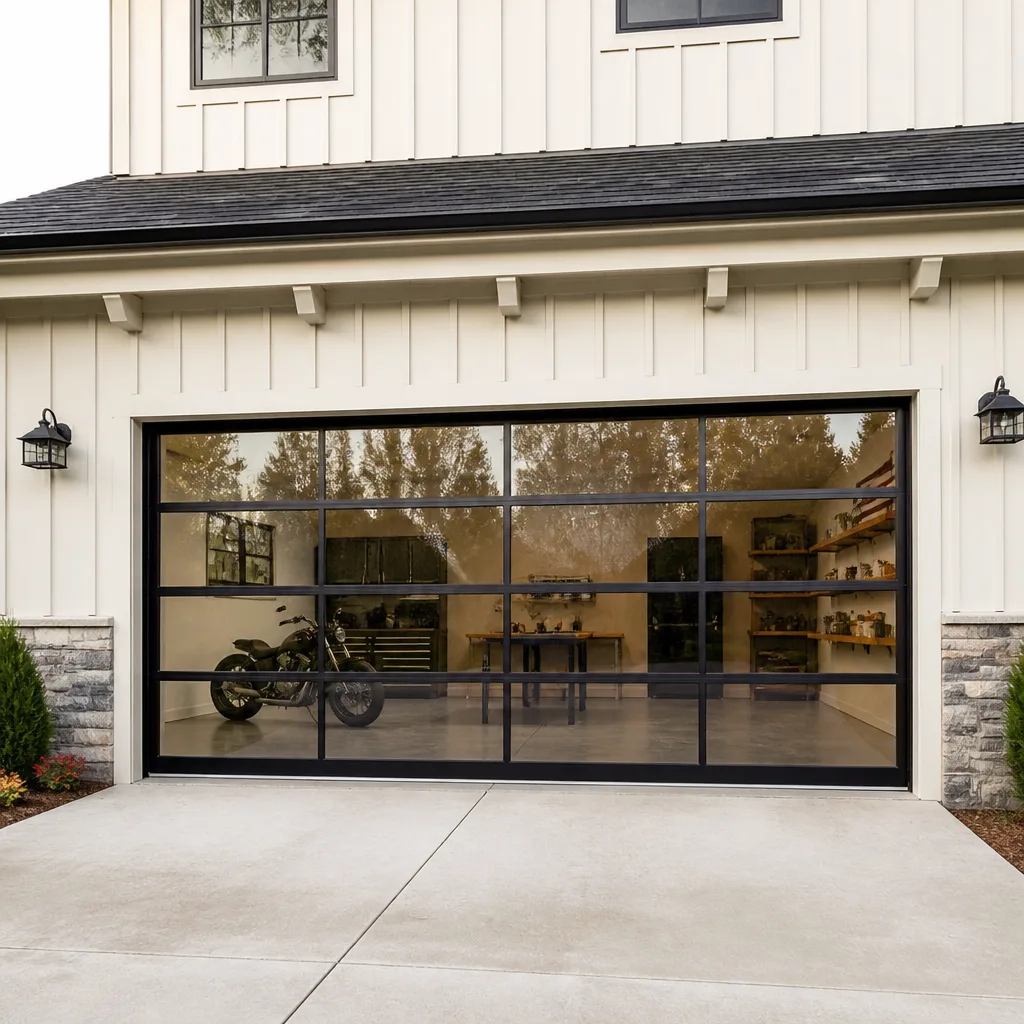 Full-view glass
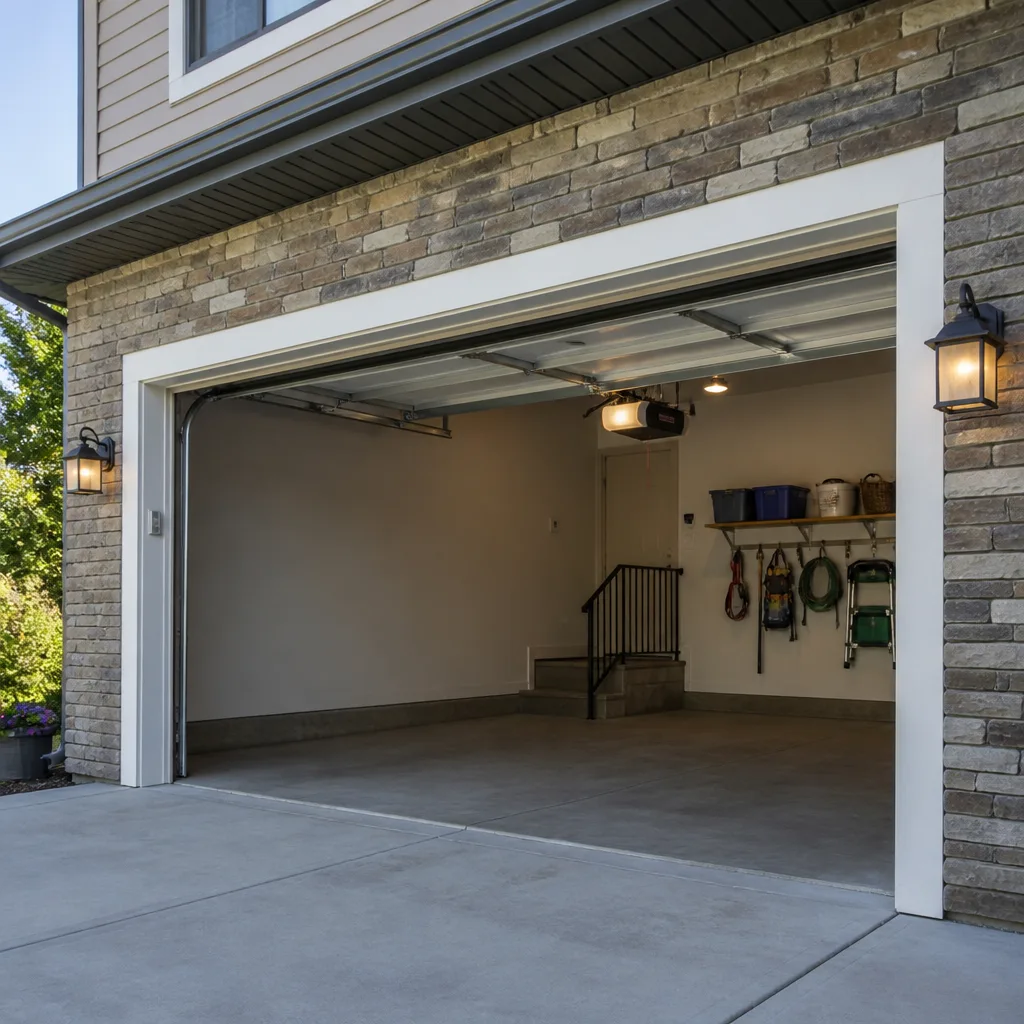 LiftMaster openers
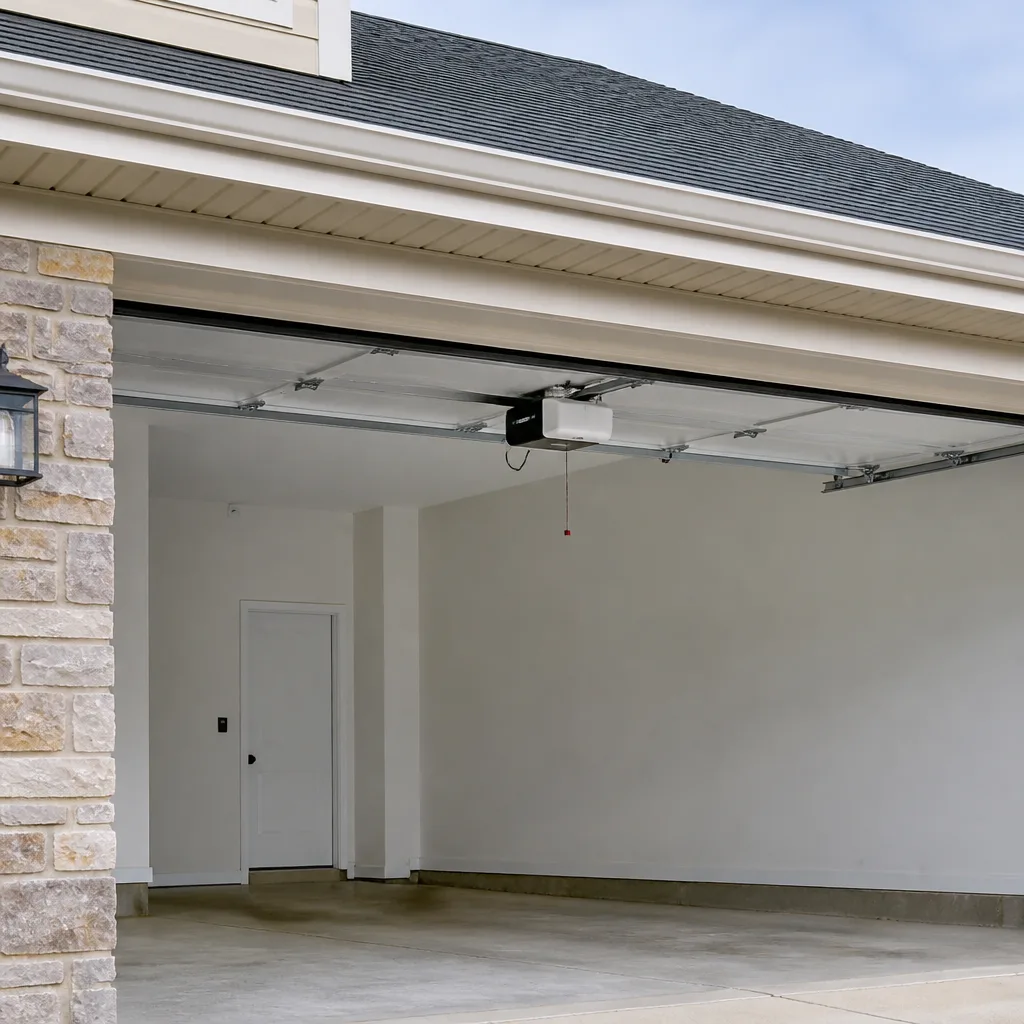 Chamberlain openers
Full 25-point door and opener safety check with every visit - springs, cables, rollers, tracks, and your LiftMaster or Chamberlain opener included
You get a price before we start. It does not change when the pro arrives.
Get your free estimateSeasonal Garage Door Care for East Village: Year-Round Homeowner’s Guide
Lubricating your garage door springs in October is standard advice. Knowing that East Village‘s urban heat island effect keeps springs under thermal stress two months longer than suburban zones is not. Most seasonal checklists are written for houses with driveways, shade trees, and a garage that sits far from traffic. An East Village garage door lives a different life: brick walls on both sides, pavement that stays warm into the night, road salt tracked in from the street, and a spring freeze-thaw cycle that hits ground-level hardware hard. In this guide, we walk through what each season actually does to the mechanical parts of your door and opener, how to check for trouble without putting yourself at risk, and when a specialist should take over. You’ll finish with a year-round routine built for East Village buildings, not a generic suburban template.
Quick Answer
Seasonal garage door care in East Village means treating summer heat, fall freeze-thaw, winter road salt, and spring thaw each as a different mechanical stress event. In practice, that’s lubricating and inspecting springs and rollers before summer heat peaks, tightening hardware and sealing gaps before the first freeze, rinsing salt off bottom brackets and hinges through winter, and checking cables and weatherstripping after the thaw. Opener force settings usually need adjusting at least twice a year as temperatures swing, because most East Village garages aren’t climate controlled.
Styles & brands we work with
- Raised-panel steel
- Carriage house
- Modern flush
- Full-view glass
- LiftMaster openers
- Chamberlain openers
Table of Contents
- Why East Village Heat Hits Garage Door Hardware Harder Than You’d Expect
- Summer: Reflected Heat, Spring Temper, and Opener Circuit Boards
- Fall: The Pre-Winter Prep Sequence for the Freeze-Thaw Window
- Winter: Road Salt, Bottom Brackets, and Failing Seals
- Spring: Post-Winter Inspection for Cable Stretch and Weatherstripping Gaps
- Year-Round: Adjusting Opener Force Settings as Temperatures Swing
- A Month-by-Month Routine for East Village Homeowners
- What You Can Safely Check and What You Shouldn’t Touch
Why East Village Heat Hits Garage Door Hardware Harder Than You’d Expect
East Village is dense. Brick facades, concrete sidewalks, and asphalt streets absorb heat all day and release it slowly into the evening. A garage door that faces a wall or an alley gets bathed in reflected heat from multiple surfaces, not just direct sun. That matters because the metal parts of a door expand and contract with temperature, and the compression-wound steel inside a torsion spring reacts to heat cycles the same way a bridge does. In our experience, doors in tighter East Village blocks often show heat-related wear earlier than doors on wider, shadier streets, and the symptoms don’t always look like heat damage at first.
The urban heat island effect also extends the window of thermal stress. Suburban zones cool off quickly after sunset, but East Village pavement can stay warm for hours, meaning your door’s springs and tracks keep cycling expansion and contraction well into the evening. Over months, that cycle loosens fasteners, changes spring tension slightly, and puts extra load on opener motors. None of it fails dramatically at first. It just makes the door slightly harder to lift, slightly noisier, slightly less balanced, until one day a spring breaks or an opener overheats and quits.
This is why we treat East Village’s warm season as a maintenance window, not a break from maintenance. The best time to check spring balance, tighten hardware, and test opener limits is actually before the hottest weeks arrive, not after. By the time a door is groaning through a July afternoon, the wear has usually already happened. A short inspection in late spring catches most of it.
There’s also a building-factor worth knowing. Many East Village garages sit under or beside residential units, so heat from the building itself adds to the load. Doors on the south or west side of a block often run hotter than doors on the north or east side, even on the same street. If you’ve wondered why a neighbor’s door seems quiet and yours is noisy, orientation and surrounding brickwork are a real part of the answer.
Summer: Reflected Heat, Spring Temper, and Opener Circuit Boards
Summer is when two specific failures become more likely in East Village: torsion spring fatigue and opener circuit board trouble. Both are directly tied to heat, and both show warning signs before they fail outright if you know where to look. Torsion springs are wound steel under constant tension. Heat softens the steel slightly and changes the balance point, so the door may feel heavier than it did in spring, or the opener may need more force to lift it. That’s a signal to have the springs checked, not a signal to force the door harder.
Opener circuit boards live in a housing on the ceiling or wall of the garage. In a climate-controlled suburban garage, that housing stays reasonably cool. In an East Village garage that sits under a hot roofline or next to a sun-exposed alley wall, the electronics bake. We’ve seen more summer opener board failures in tight urban blocks than you’d expect, and the usual symptoms are a remote that stops responding, a door that reverses for no reason, or a wall button that works while the remote doesn’t.
Here’s a simple summer check you can do safely:
- Listen. Raise and lower the door with the opener and note any scraping, grinding, or pulsing sound. New noises are a signal, not a quirk.
- Watch the balance. Disconnect the opener (pull the release handle only when the door is fully closed) and lift the door by hand halfway. A balanced door stays roughly in place. A door that drops or feels very heavy needs spring or cable attention from a specialist.
- Scan the tracks and rollers. Look for obvious bends or debris. Don’t try to bend a track back yourself.
- Check the opener housing. Feel for excessive warmth at the wall or ceiling unit after a few open-close cycles. Unusual heat means it’s worth a professional look.
- Test the safety reverse. Place a small object in the door’s path and confirm the door reverses. If it doesn’t, stop using the opener until it’s checked.
If your door is on the older side and you’re considering whether to keep repairing it, our garage door repair team can tell you honestly whether repairs still make sense or whether a replacement is the better spend.
Fall: The Pre-Winter Prep Sequence for the Freeze-Thaw Window
October through December is the freeze-thaw window in East Village, and it’s the most consequential stretch of the year for garage door hardware. Water gets into small gaps, freezes overnight, expands, and works fasteners loose. Repeat that cycle for two months and the door that felt fine in September can feel rattly and off-balance by January. The fix is a short, ordered prep sequence done before the first hard freeze, not after.
Here’s the sequence we recommend:
- Lubricate. Apply a garage-door-specific lubricant to springs, hinges, rollers, and the torsion bar. Avoid heavy grease that thickens in cold. A light, purpose-made spray works better in a freeze-thaw climate.
- Tighten hardware. Check bolts on hinges, brackets, and the track mounts. Snug them, don’t over-torque. Loose hardware rattles and, in cold, walks itself looser.
- Inspect weatherstripping. Run a hand along the bottom seal and the side jambs. Any crack, tear, or flat spot will let cold air and water in through the winter, and water is the bigger problem.
- Check the bottom bracket and cables for rust or fraying. Look, don’t touch. Cables are under high tension and should only be handled by a trained technician.
- Test the opener’s force and travel limits. Cold changes how much effort the opener needs. Adjust per the manual, or have a technician set it.
- Clear the track path. Sweep debris and check that nothing on the floor will interfere with the door’s travel when it’s icy or wet.
Doing this in October, before the first freeze, is far easier than fixing the consequences in January. If you’re noticing wear that’s more than routine, or your door is a Clopay or Amarr model that’s been slowly getting harder to lift, it’s worth having the springs and cables inspected before winter stress adds to the load.
Winter: Road Salt, Bottom Brackets, and Failing Seals
Winter in East Village brings a specific hazard that suburban garages don’t see as much: road salt tracked in from the street. Salt dissolves in snowmelt, gets carried on tires and boots into the garage, and settles on the bottom brackets, hinges, and lower panel edges. Left alone, it accelerates corrosion. That corrosion doesn’t fail a door overnight, but it shortens the life of every metal part it touches, and it makes spring and cable failures more likely over a couple of seasons.
The fix isn’t complicated: rinse and wipe the bottom brackets and lower hinges periodically through the winter with plain water (not a pressure washer aimed at the hardware), and dry them. A quick wipe takes a minute. Doing it every few weeks after a snow event makes a real difference. If the garage floor stays wet, a simple squeegee routine keeps moisture from sitting against the door’s bottom edge.
Cold also stresses weatherstripping. Standard vinyl seals stiffen in the cold, and on city streets with grit, ice, and repeated freeze cycles, they crack faster than in quiet neighborhoods. Neoprene seals hold up better in cold, but any seal can fail if it’s already worn. A failed bottom seal lets cold air in, lets water pool under the door, and eventually lets small pests in. It also makes the door louder as it closes.
While you’re out there, watch for these winter warning signs:
- Rust or white salt residue on the bottom brackets or lower hinges
- A door that reverses on its own in cold weather (often a force-setting issue)
- Ice or snow packed under the bottom seal, keeping the door from closing flush
- A cracking or flaking bottom seal
- A door that feels noticeably heavier than it did in fall (a sign of spring fatigue, and the reason winter is when we see the most spring breaks)
If your door won’t open or close at all in the cold, that’s a case for our garage door opener repair service or a same-day repair visit. Winter is also a common time for opener faults, because the motor is working against stiffer seals and slightly heavier spring tension.
Spring: Post-Winter Inspection for Cable Stretch and Weatherstripping Gaps
Spring thaw in East Village is when you find out how the winter treated your door. Cables that ran fine in December often show stretch or fraying by March, because the combination of cold, salt, and repeated freeze-thaw cycles works on every tensioned part of the door. Cables are one of the two components on a garage door you should never adjust or handle yourself (the other is the springs), because both are under extreme tension and can cause serious injury if released incorrectly. Looking for the signs is safe. Fixing them is not a homeowner job.
What to check after the thaw:
- Cables: Look for fraying, kinks, or slack on either side. If the door hangs unevenly or looks slightly crooked when closed, cables are a likely cause.
- Weatherstripping: Cold and grit often leave small gaps at the bottom or sides. Check by closing the door and looking for daylight, or by running a hand along the seal on a windy day.
- Bottom brackets and hinges: Look for rust left over from salt exposure and plan a cleanup if you find it.
- Track alignment: Freeze-thaw can shift a track slightly. Look for obvious bends or points where a roller is catching.
- Opener performance: If the opener strains or reverses, that’s usually a sign that force or travel limits need to be reset for warmer weather.
Spring is also the natural moment to think about the long-term. Doors that show rust on multiple hinges, weatherstripping that’s been replaced two winters running, or a panel that’s developed a cold-weather crack might be better served by a replacement than another repair. Our garage door installation team can give you a straight read on whether repair or replacement makes more sense for your door.
Year-Round: Adjusting Opener Force Settings as Temperatures Swing
Opener force settings are the most ignored adjustment in seasonal garage door care, especially in a dense neighborhood where most garages aren’t climate controlled. Force setting is how much effort the opener is allowed to apply before it stops or reverses. In summer heat, a door that ran fine all winter may need slightly less force; in winter cold, a slightly stiffer door may need more. Set it once in spring and forget it, and you’ll spend the year fighting unnecessary reversals or, worse, letting the opener strain against a door that needs more force than it should.
The practical routine is to check force settings twice a year, typically May and October, and after any noticeable temperature swing. On most LiftMaster, Chamberlain, Genie, and Craftsman openers, the adjustment is on the back or side of the motor housing, with a labeled force dial or a programming menu on newer models. If you’re not sure which dial does what, check the manual or have a technician set it correctly. Getting force right is a small task with a big effect on how long your opener lasts.
Two related settings to check while you’re there:
- Travel limits: These set how far the door opens and closes. If the door doesn’t fully seal against the floor in cold months, travel limits may be off, or the seal may be worn.
- Safety reverse: This should be tested monthly. On a door that reverses for no obvious reason, force settings are often the culprit, but a failing sensor or a misaligned track can also cause it.
If your opener is older and doesn’t give you much control, or if it’s having trouble keeping up with seasonal swings, an upgrade may be worth considering. Modern openers handle temperature swings better and connect to home networks. Our technicians have up to 12 years of experience across LiftMaster, Chamberlain, Genie, and Craftsman systems, so we can work with the brand already in your garage rather than pushing you toward a brand switch.
A Month-by-Month Routine for East Village Homeowners
If you’d rather follow a calendar than remember a list of tasks, here’s a routine built around East Village’s actual climate pattern rather than a generic national template. It’s designed to catch each season’s stress before it turns into a failure.
- March: Post-thaw inspection. Check cables, weatherstripping, tracks, and rust from salt exposure. Schedule any spring or cable work before the summer heat hits.
- April: Deep clean the door hardware and tracks. Wipe down hinges and bottom brackets. Reset opener force and travel limits for warmer weather.
- May: Test the safety reverse and balance the door by hand (with the opener disconnected, door fully closed, and only if you’re comfortable doing so).
- June: Pre-summer lubrication on springs, hinges, rollers, and torsion bar. Check opener housing for excess heat after a few cycles.
- July and August: Listen for new noises at the door. If it feels noticeably heavier or the opener is straining, book a spring inspection.
- September: Clear debris from tracks. Inspect seals for wear.
- October: Full pre-winter prep. Lubricate, tighten hardware, check weatherstripping, set force limits for cooler weather.
- November: Rinse off any early salt or grit around the bottom brackets. Check for anything that could freeze under the door.
- December through February: Wipe down salt residue periodically. Watch for heavy-feeling door or reversing opener. Call for repair if the door stops working.
Some homeowners in East Village find the twice-a-year professional check more practical than the monthly routine, especially in buildings where the garage door isn’t easy to reach for an inspection. Either approach works, as long as the key tasks get done.
What You Can Safely Check and What You Shouldn’t Touch
Not every part of garage door care is a DIY job, and it’s worth being clear about which is which. Springs, cables, and the bottom brackets that anchor them are under extreme tension. If a spring or cable lets go while you’re working near it, the result can be a serious injury. We always recommend a trained technician for those parts. The good news is that most of the routine seasonal care (lubrication, tightening, cleaning, testing the opener) is safe for a homeowner who’s comfortable with a step ladder and a wrench.
What you can do safely:
- Lubricate springs, hinges, rollers, and the torsion bar with a purpose-made garage door lubricant
- Tighten bolts on hinges, brackets, and track mounts (snug, not over-torqued)
- Wipe down salt residue on bottom brackets and lower hardware
- Test the safety reverse with a small object in the door’s path
- Adjust opener force and travel limits per the manual
- Clean the tracks and clear debris
What you should not touch:
- Springs, even just to “look closer” while under tension
- Cables, including any adjustment to cable tension
- Bottom brackets that anchor the cables
- Any track that’s been bent, without professional realignment
- Any hardware that’s visibly bent or has pulled loose from the door
If you’re unsure which category something falls into, treat it as the second one and get it checked. Our Garage Door Repair East Village specialists handle springs, cables, and bottom brackets as routine work, and we can come out to inspect anything you’re not comfortable looking at yourself.
Common Mistakes to Avoid
- Lubricating once a year and calling it done. East Village’s compressed seasonal swings mean most doors need lubricant checked twice a year, not once. A single fall lubrication misses the summer heat cycle entirely.
- Ignoring winter salt on the bottom hardware. Salt tracked in from the street sits on brackets and hinges, quietly corroding them all winter. Wiping it off periodically takes a minute and saves hardware life.
- Setting opener force once and leaving it. In a garage without climate control, force settings that work in January may cause unnecessary reversals in July, and vice versa. Reset them twice a year.
- Forcing a heavier door through the opener. If the door feels heavier than it did last season, that’s a spring or cable signal, not an opener problem. Pushing the opener to handle it will shorten the motor’s life and could cause a failure at the worst moment.
- Using heavy grease on garage door parts. Grease thickens in cold and attracts grit, which is exactly what you don’t want in winter. Use a purpose-made garage door lubricant instead.
- Trying to adjust a spring or cable yourself. These components are under extreme tension. The “DIY” savings aren’t worth the safety risk. Call a specialist.
- Skipping the post-thaw inspection. Cables that look fine in December are often frayed or stretched by March. A quick professional check after the thaw catches problems before summer heat makes them worse.
See the difference
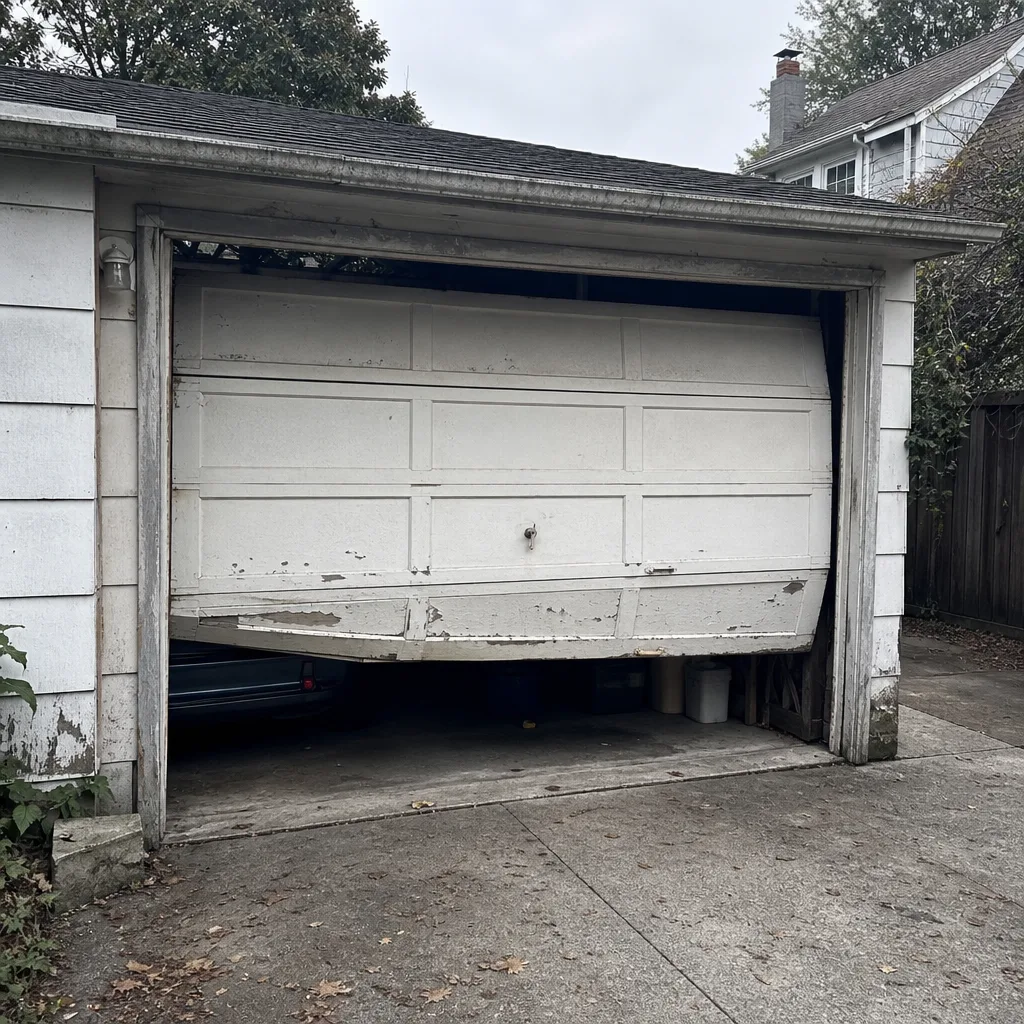 Before
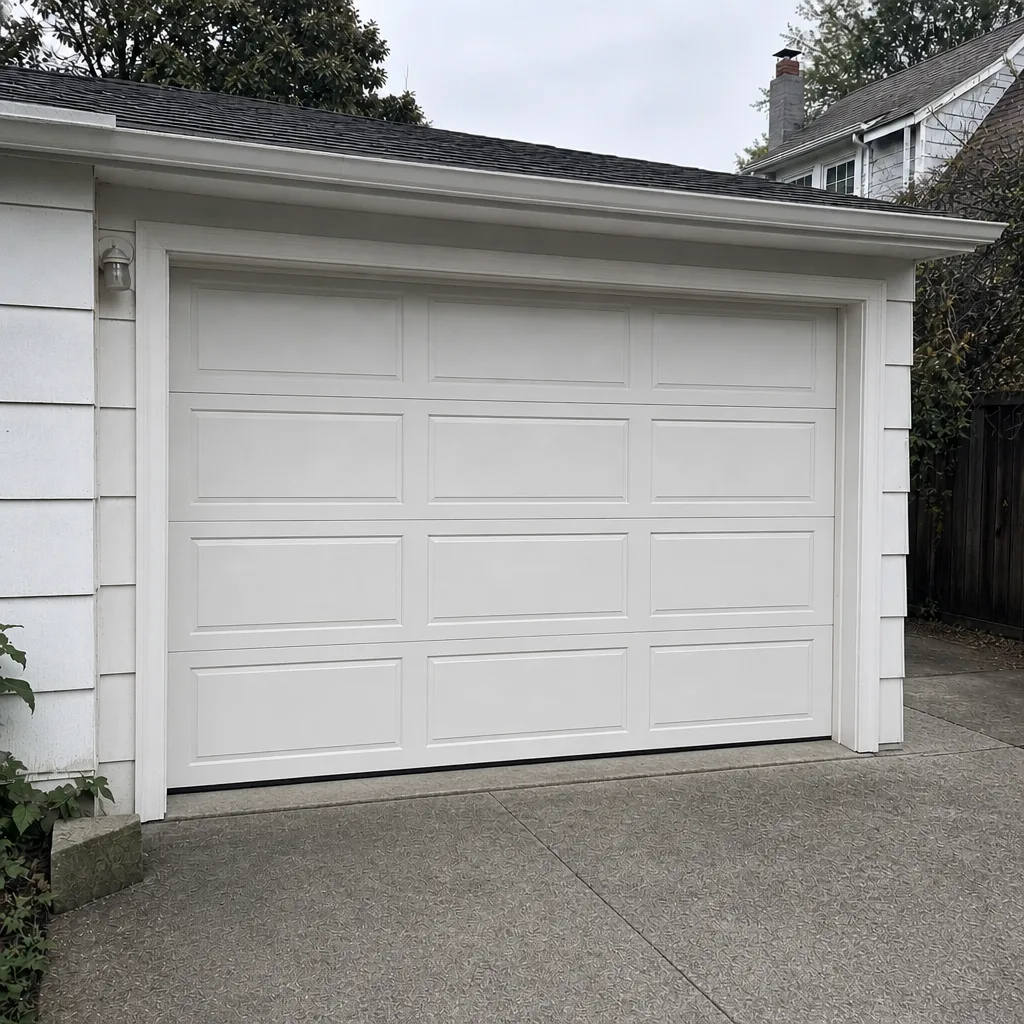 After
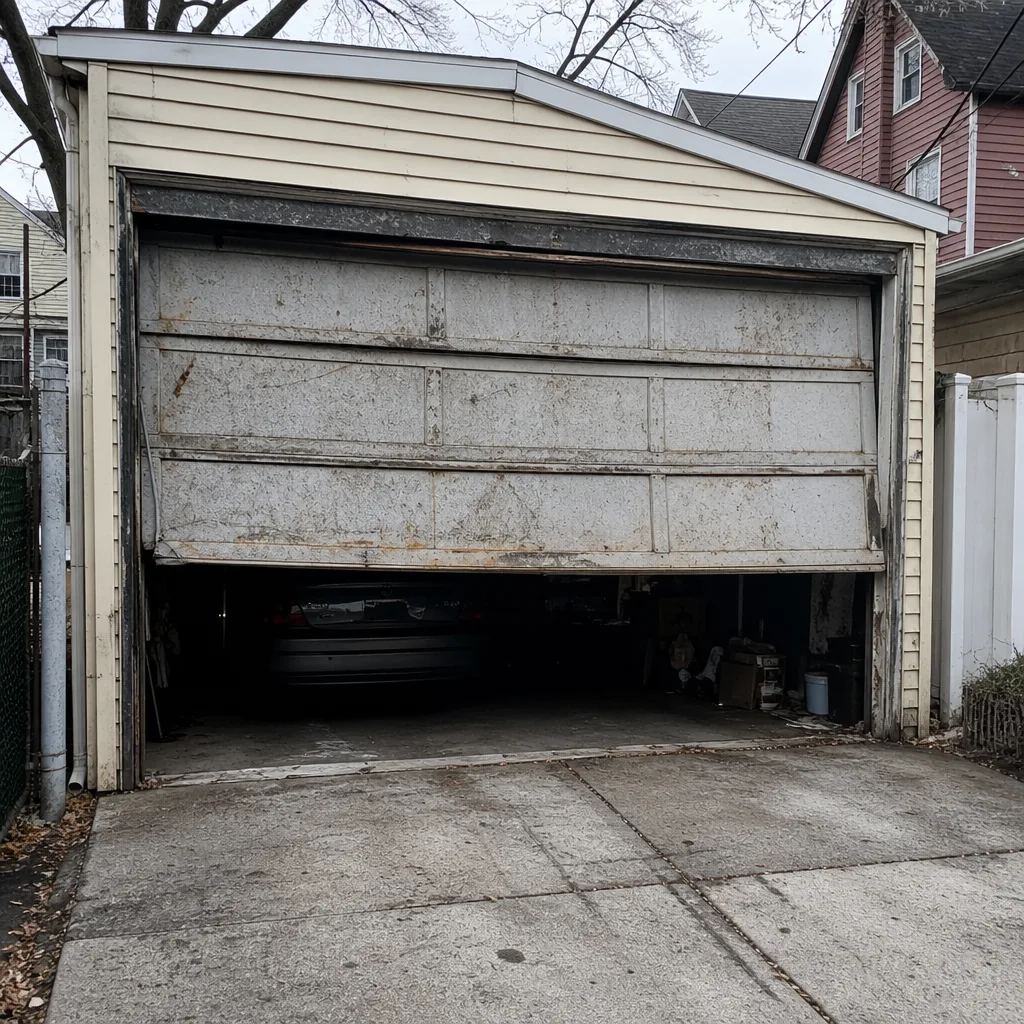 Before
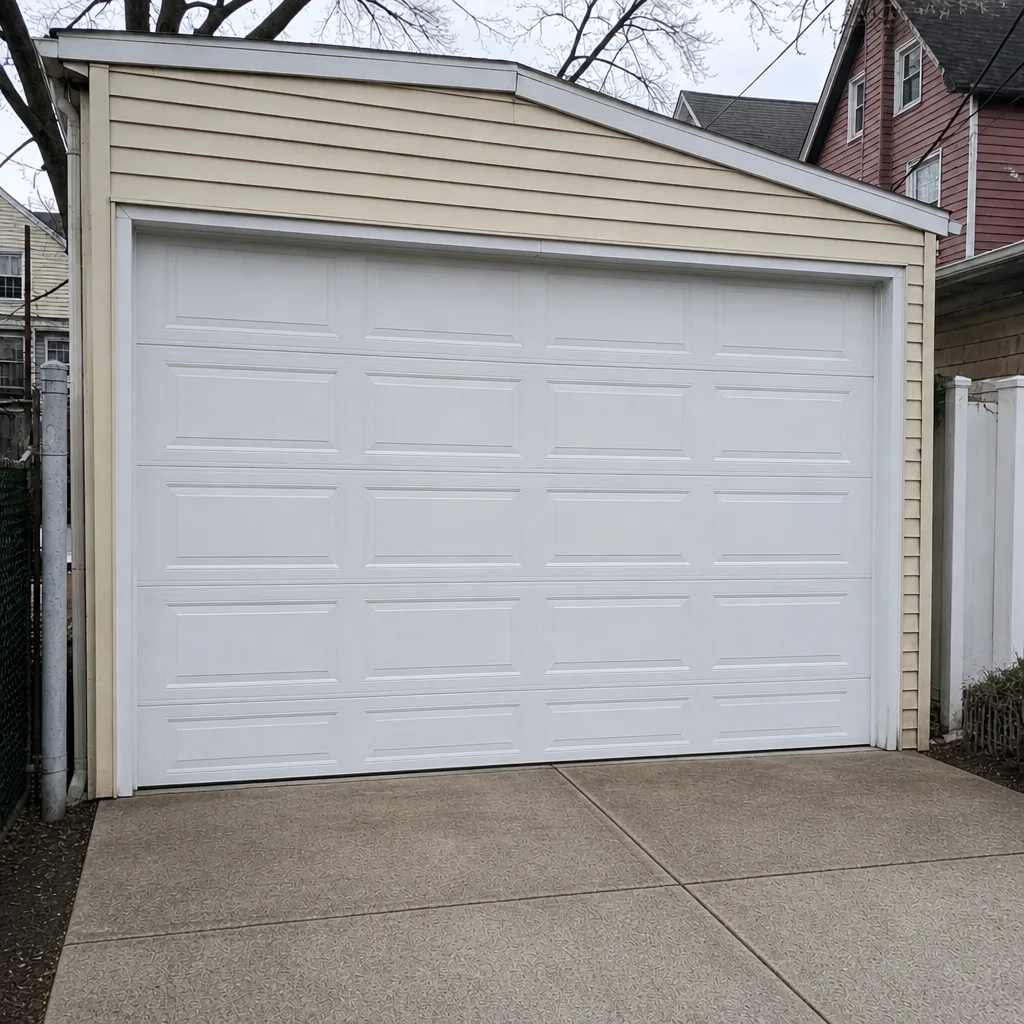 After
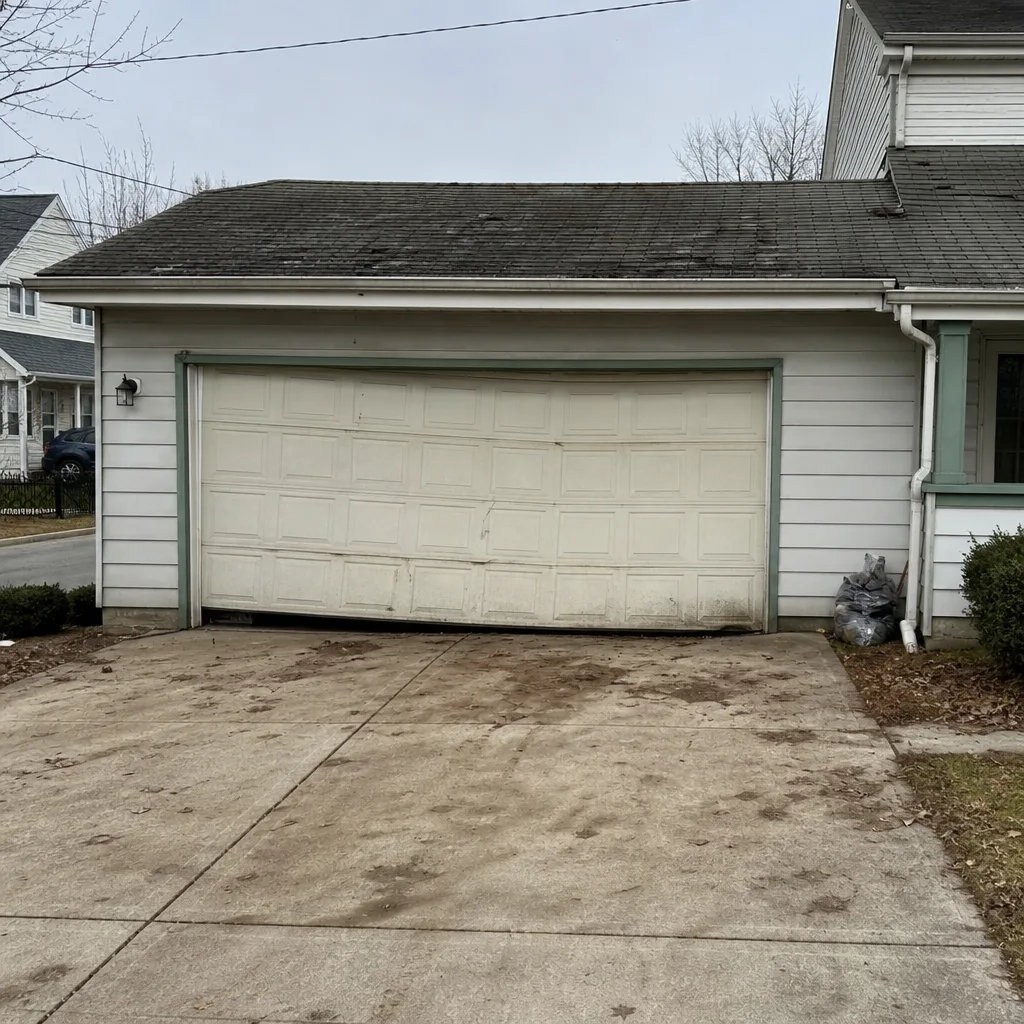 Before
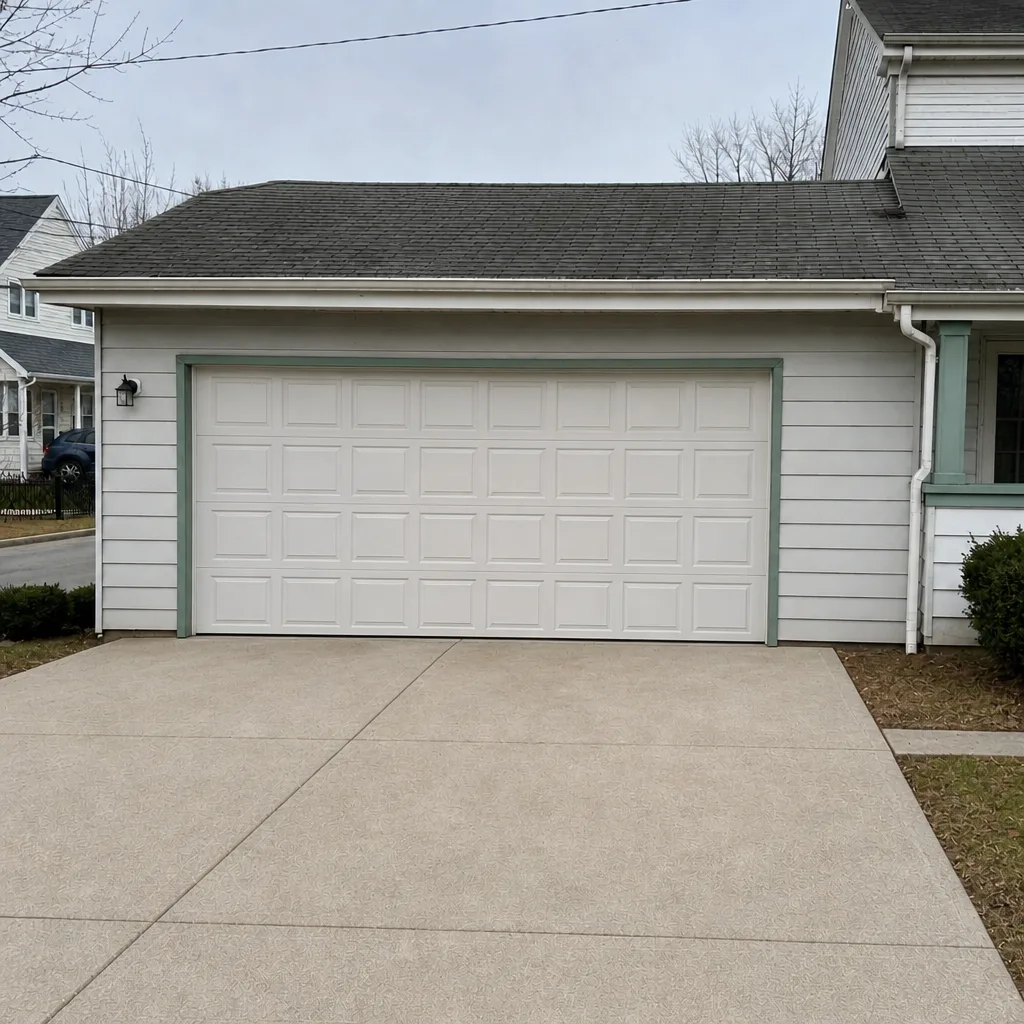 After
When to Call a Professional
Some situations call for a specialist rather than a check-and-lube. If a spring has broken (a loud bang from the garage is the classic sign), if the door hangs unevenly or looks crooked when closed, if the opener reverses on its own repeatedly, if you see fraying or slack in either cable, or if the door won’t open or close at all, stop using the door and call for a professional visit. Same applies if the bottom seal has failed and weather or pests are getting in, or if a track has shifted and the door is catching. Our technicians have up to 12 years of experience with LiftMaster, Chamberlain, Genie, Clopay, Amarr, Wayne Dalton, Craftsman, and Raynor systems, so we can work on the brand already in your garage. Garage Door Repair East Village offers free estimates in East Village – call (866) 951-2601. We answer 24/7. Fast dispatch from 7am to 7pm, Sunday through Friday.
Frequently Asked Questions
Twice a year is the standard for most East Village homes, usually in spring and fall to match the climate’s compressed seasonal swings. That covers pre-summer lubrication before urban heat peaks and pre-winter prep before the freeze-thaw window. If your garage sits in a particularly hot or salt-exposed spot, a third inspection in mid-winter is worth considering. Call (866) 951-2601 to schedule a service visit – estimates are free.
Spring failures happen most often in winter, while opener and circuit board problems are more common in summer. The urban heat island effect keeps springs under thermal stress longer than suburban zones, which is why summer balance checks matter here, and winter cold is when fatigued springs tend to finally break. Either way, catching the early signs (a heavier door, new noises, a reversing opener) gives you time to schedule repair rather than deal with an emergency. Call (866) 951-2601 if you’re not sure which problem you’re seeing.
Yes, road salt tracked in from the street is one of the main causes of corrosion on bottom brackets, hinges, and lower panel edges in East Village. The salt dissolves in snowmelt and settles on the metal, where it accelerates corrosion through the winter months. Wiping the affected parts with plain water and drying them every few weeks limits the damage. If rust has already set in on multiple hinges or the bottom bracket, have a technician check whether the parts need replacing. Call (866) 951-2601 for an inspection.
Because the motor has to work against different conditions in summer and winter, and most East Village garages aren’t climate controlled. In cold weather, seals stiffen and springs feel slightly heavier, so the opener needs a bit more force. In hot weather, the door generally runs easier. A single force setting can leave the opener straining in one season and reversing unnecessarily in another. Resetting force and travel limits in spring and fall keeps the opener running smoothly. Call (866) 951-2601 if you’d like a technician to set it correctly.
It could be, and it’s worth having it checked before it fails completely. A door that feels progressively heavier usually points to spring fatigue, a cable issue, or worn rollers, and continuing to lift it with the opener accelerates wear on the motor. Don’t try to adjust the spring or cable yourself; both are under extreme tension. Book an inspection and let a specialist assess which component is the cause. Call (866) 951-2601 – estimates are free.
Not necessarily. Surface rust on hinges or lower brackets is usually a repair, not a replacement, if the panels and structure are sound. Replacement makes more sense if there’s rust on multiple hinges plus panel cracks plus a seal that’s failed repeatedly over several winters. We’ll tell you honestly whether to repair or replace rather than pushing a new door you don’t need. Call (866) 951-2601 for a free estimate on either path.
The Bottom Line
Seasonal garage door care in East Village isn’t a single checklist; it’s a routine built for a specific climate. Summer heat and reflected brick keep springs under stress longer than you’d expect. Fall’s freeze-thaw window is the critical prep period. Winter brings road salt to the bottom brackets and stresses the seals. Spring is when cables and weatherstripping show what the winter did. The two tasks that matter most throughout the year are resetting opener force settings as temperatures swing and watching the door feel for signs of spring fatigue. Catch those early and most repairs stay small. Skip them and they don’t. If you’d like a professional check before the next season hits, our team works on every major brand and will give you a straight read on what your door actually needs. Call (866) 951-2601 for a free estimate. We answer 24/7. Fast dispatch from 7am to 7pm, Sunday through Friday.
Written by the team at Garage Door Repair East Village.